
Storytelling Intro: Meeting the OG Binge Eater
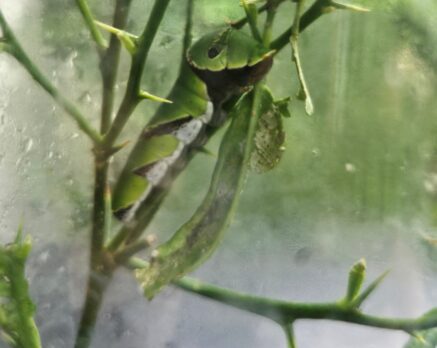
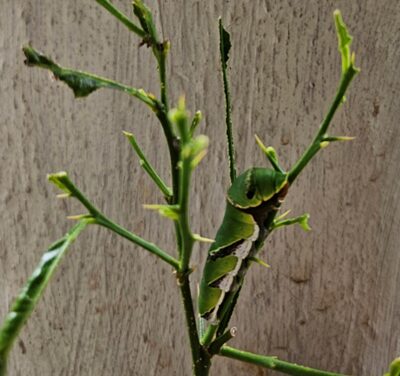
It was just another warm morning when I noticed movement on a lemon bush outside my window. At first glance, it looked like a tiny green comma crawling across a leaf. But within minutes, I realized I was looking at one of nature’s most dedicated workers — a caterpillar.
Not the slow, sleepy type you see in picture books. This one was on a mission. It munched through leaves like a seasoned buffet champion, pausing only for quick breaks, then returning to work. Every bite felt purposeful, every movement deliberate.
And that’s when it struck me — this tiny creature wasn’t just eating. It modeled some of the most important traits that writers, especially non-fiction writers, copywriters, and content creators, can learn from.
It taught me; No matter what the project a brand story, a persuasive landing page, or an engaging blog post, success comes from focus, discipline, and a clear objective. And this caterpillar had all three.
Lesson 1: Focus Like a Caterpillar
Lately, People have been using AI to create their Ghibli-inspired art, while the overlooking the original artist’s years of work. The same goes for nature — the OG artist of all art forms — which is rarely credited for its infinite creativity. Only a few people truly observe, appreciate, and get inspired.
To be with nature and learn from it, you need the observation skills and laser focus of a caterpillar. Don’t overthink predators. Don’t worry about getting eaten up. Just do your job with intention… the rest will follow.
As a writer, that means:
- Don’t obsess over competitors.
- Don’t panic about algorithms or trends.
- Don’t let distractions dilute your creative energy.
Pick your project, commit to it, and give it your undivided attention — just like a caterpillar clears a leaf before moving to the next.
Lesson 2: Small Actions Add Up
In just 3–5 days, a caterpillar can grow from the size of a pinhead to a chunky leaf demolisher. How? By doing the same simple action – eating, pooping, and napping consistently, all day, every day.
In content writing and copywriting, the same principle applies. Your growth as a writer isn’t the result of one viral post or a single perfect sales page. It’s the steady, repeated practice of writing, editing, refining, and publishing.
Write one blog post? Great.
Write one blog post every week for a year? That’s when you see a real transformation — in both your skills and your results.
Lesson 3: Commit to the Glow-Up
When a caterpillar has eaten enough, it doesn’t celebrate or take a victory lap. It disappears into its chrysalis — the ultimate rebranding phase. It doesn’t emerge until it’s transformed into something entirely new: a butterfly.
For writers, this is the editing stage. The drafting process is where you consume ideas, gather material, and fill your pages. But the chrysalis stage? That’s where you refine, cut, polish, and shape your work into something ready to soar.
This could mean:
- Revisiting an old blog post and updating it with better keywords.
- Tightening a sales page so every word pulls its weight.
- Restructuring a case study to make it flow better for the reader.
Like the caterpillar, you have to trust the process — even when it’s not glamorous.
Lesson 4: Be the OG, Not the Copy
The caterpillar doesn’t try to be a bird or a bee. It owns its role in the ecosystem and does it better than anyone else. That’s a lesson for writers in an age where AI-generated content is everywhere.
Yes, AI can help with drafting ideas or speeding up research. But your unique perspective, voice, and lived experience are the real value you bring to your readers and clients.
In copywriting terms, this is your USP — your Unique Selling Proposition. Lean into it.
How to Turn Everyday Observations into Marketable Content
One of the most overlooked skills in non-fiction writing is the ability to spot stories in everyday life. That caterpillar on my lemon bush could have been just another bug to most people. But for a writer, it became a metaphor, a brand lesson, and a blog post you’re reading right now.
Here’s how you can turn your own observations into content that sells:
- Pay Attention
Carry a notebook or use your phone’s notes app to jot down details — sights, sounds, behaviors — that catch your attention. - Find the Connection
Ask yourself: What does this remind me of? How can this apply to my work or my audience’s needs? - Frame It for Your Reader
A caterpillar’s eating habits might not interest a CEO — until you frame it as a lesson in productivity or brand growth. - Add a Call-to-Action
Tie your observation back to your services. If you’re a content writer, end by inviting readers to work with you to turn their brand story into something unforgettable.
Final Takeaway
Whether you’re writing a non-fiction book, refining your copywriting skills, or creating fresh content for a client, nature has a lot to teach you — if you’re willing to look.
The caterpillar reminds us that success comes from focus, consistency, trust in the process, and staying true to yourself.
So the next time you’re stuck for inspiration, step away from the screen. Go outside. Observe. Somewhere in the garden, the OG binge eater might just hand you your next viral idea.