
There’s something magical that happens when you pause after a day of working with soil and plants. The ache in your back becomes a badge of honor, the dirt under your fingernails tells stories of seedlings planted and compost turned, and a simple cup of tea becomes a bridge between the physical work of regeneration and the inner work of restoration.
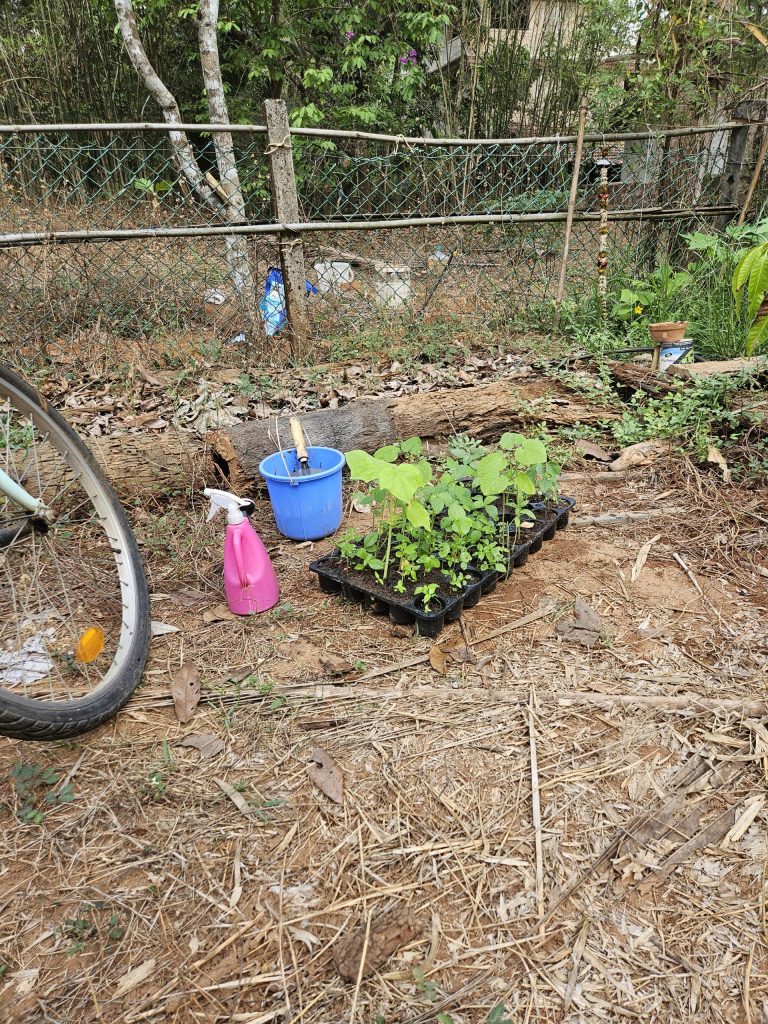
The image above captures one of those ordinary-extraordinary moments on our farm. Seedlings waiting to be transplanted, tools scattered from the day’s work, and the promise of new growth emerging from what was once just earth and intention. This is regenerative living in its purest form—not just the act of growing food, but the entire rhythm of working with nature’s cycles.
Why Farm Work Requires Mindful Recovery
After hours of tending to the soil, preparing beds, and nurturing young plants, there’s a ritual that marks the transition from work to rest. It’s not elaborate or Instagram-worthy—it’s simply the act of brewing tea and sitting with the day’s accomplishments.
This daily pause serves multiple purposes in regenerative living:
Physical Restoration: Our bodies need time to recover from the physical demands of farm work. The warmth of tea soothes tired muscles, while the act of sitting allows our nervous system to shift from the active work of the day to the restorative mode of evening.
Mental Integration: The quiet moments with tea allow us to process the day’s observations. Which plants are thriving? What did the soil tell us today? How can we better support the ecosystem we’re tending?
Emotional Grounding: Working with the earth can be emotionally intense. There’s the joy of seeing seedlings emerge, the disappointment of plants that don’t thrive, and the deep satisfaction of participating in nature’s regenerative cycles. Tea time becomes a space to honor all of these feelings.
Best Tea for Regenerative Living: Calming Vata Dosha Blend
Not all teas are created equal when it comes to supporting our regenerative lifestyle. We’ve discovered that The Indian Chai’s Calming Vata Dosha Tea perfectly complements the energy of farm work.
Based on Ayurvedic principles, this herbal tea blend is specifically crafted to balance the vata dosha—the energy that governs movement, circulation, and nervous system function. After a day of physical activity and mental engagement with the land, this tea helps restore equilibrium to both body and mind.
The warming spices in the blend—like ginger, cardamom, and cinnamon—not only taste wonderful but also support digestion and circulation, helping our bodies process the day’s work more effectively. It’s a reminder that regenerative living isn’t just about what we do for the earth, but how we care for ourselves as we do this work.
Sustainable Tea Mugs for Mindful Living
In our fast-paced world, we often overlook the importance of the vessels we use for our daily rituals. The Kikiluxxa Multi-Purpose Mug has become an essential part of our tea ritual—not because it’s fancy, but because it’s thoughtfully designed for people who live close to the land.
The 450ml capacity means we can brew enough tea to truly satisfy our thirst after physical work, while the durable construction withstands the realities of farm life. Whether we’re sitting on the porch watching the sunset or taking a quick break between tasks, this sustainable mug is a reliable companion in our daily rhythm.
What Regenerative Living Teaches Us About Rest
As I look at this image—the scattered tools, the hopeful seedlings, the mulched pathways—I’m reminded that regenerative living is as much about the pauses as it is about the action. The soil doesn’t grow plants through constant activity; it works in cycles of rest and growth, dormancy and abundance.
Our tea ritual teaches us to honor these natural rhythms in our own lives. Just as the soil needs time to process organic matter and build nutrients, we need time to process our experiences and build resilience for sustainable living.
How Simple Rituals Support Sustainable Living
When we take time to restore ourselves, we’re better able to care for the land that sustains us. When we choose products that align with our values—like ethically sourced tea and sustainably made vessels—we’re voting for the kind of world we want to live in.
This simple act of drinking tea after farm work might seem insignificant, but it’s actually a powerful practice in regenerative living. It connects us to:
- Our bodies: Honoring our physical needs for rest and nourishment through mindful practices
- Our work: Processing and integrating the day’s experiences with the soil and plants
- Our values: Choosing products that support both personal and planetary health
- Our rhythm: Aligning with natural cycles of activity and rest for sustainable living
Creating Your Own Mindful Tea Ritual for Sustainable Living
You don’t need a farm to practice this kind of regenerative living. Whether you tend a windowsill herb garden, volunteer at a community garden, or simply spend time in nature, you can create rituals that honor both your work and your need for restoration.
Consider these mindful practices:
- What beverage truly nourishes you after physical or emotional work?
- How can you create a pause that helps you transition from doing to being?
- What vessels or tools support your daily rituals in a way that feels aligned with your values?
- How can you incorporate herbal teas or sustainable products into your routine?
The key is intention. When we approach even the simplest acts—like brewing tea—with mindfulness and care, we transform routine into ritual, and ritual into a practice that supports both our well-being and our connection to the regenerative cycles of life.
The Invitation
As you look at this image of our farm workspace, I invite you to consider your own relationship with work and rest, action and reflection. How might you create small rituals that honor both your efforts and your need for restoration?
Regenerative living isn’t just about what we do for the earth—it’s about how we care for ourselves as we do this sacred work. Sometimes, the most revolutionary act is simply pausing to drink tea and appreciate the seedlings we’ve planted, knowing that both we and they will grow stronger with proper tending.
What mindful rituals help you transition from the work of the day to the restoration of evening? Share your thoughts in the comments below, and let’s learn from each other’s practices of regenerative living and sustainable wellness.