
If you live along the Western Ghats, you know what months of nonstop rain can do to your garden — flooded beds, drooping plants, and vanishing topsoil.
This year, the monsoon started as early as May 14 and continued till October 30 — nearly six months of continuous downpour and thunderstorms, with only a few short breaks.
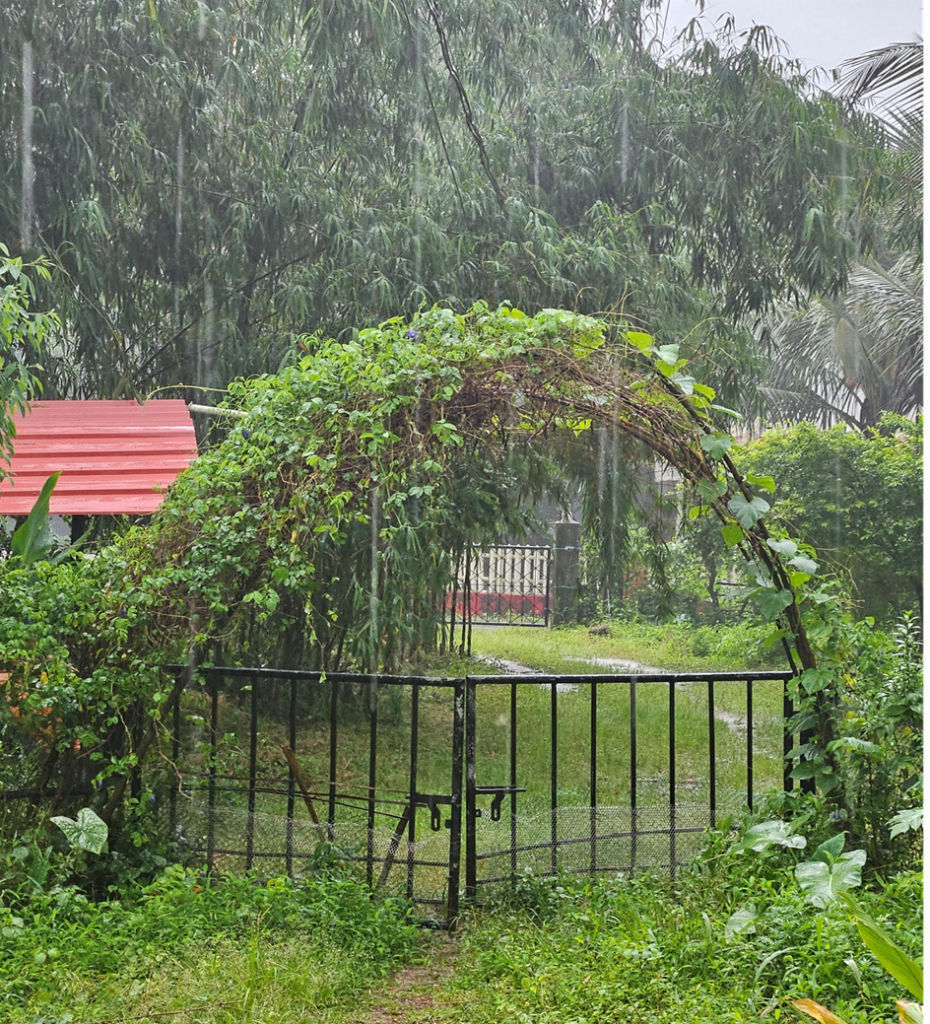
So, how can we protect our outdoor gardens from such heavy rains?
Here are some permaculture-based, sustainable gardening tips to help your plants survive and thrive, even in extreme weather conditions.
1. Make Peace with the Weeds
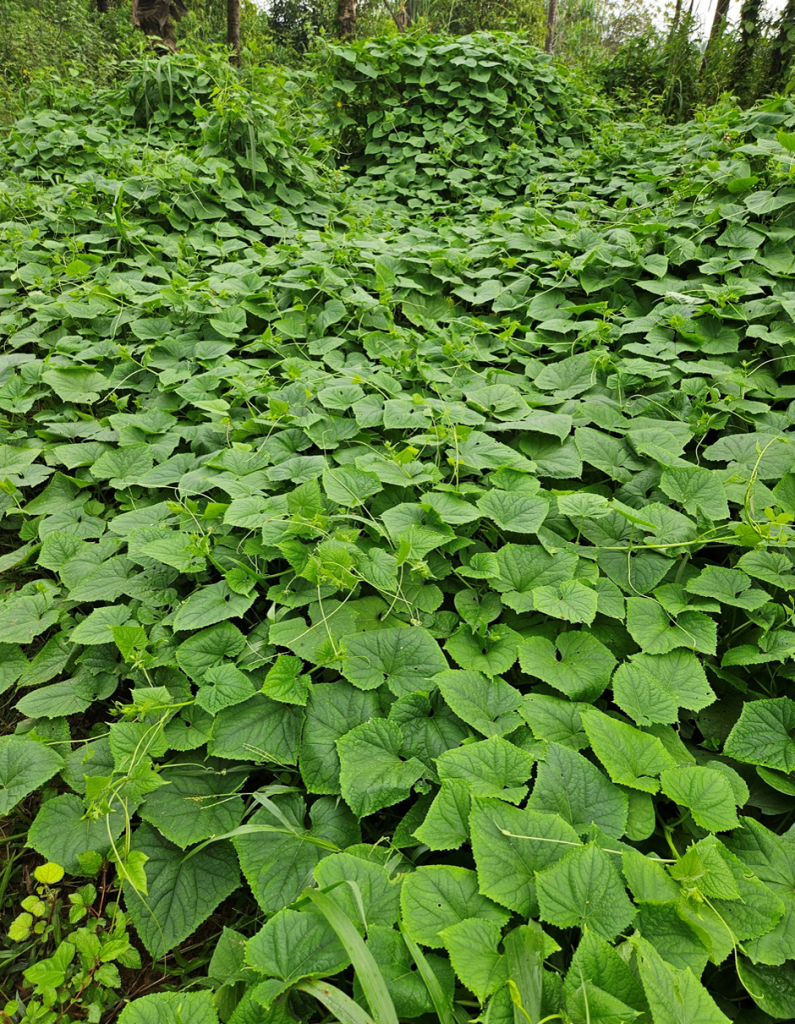
When it rains continuously, weeds pop up everywhere — and that’s perfectly fine!
Instead of uprooting them, trim them short and let them stay.
These wild plants actually protect your soil from erosion and prevent the top layer from washing away. It’s nature’s way of repairing itself. Once the rains ease, you can reuse them as compost or mulch.
Tip: Avoid de-weeding during the monsoon; think of weeds as your garden’s protective blanket.
2. Don’t Walk Where You Plant — Don’t Plant Where You Walk
Your garden bed should feel soft and spongy, able to absorb both sunlight and rain effortlessly.
If you keep walking or stomping on it, the soil becomes compact and loses its porosity.
Compacted soil suffocates roots and reduces microbial life — the unseen helpers that make your plants healthy.
Tip: Create clear pathways for walking and keep your planting areas untouched and breathable.
3. Reuse Fallen Leaves — Don’t Burn Them
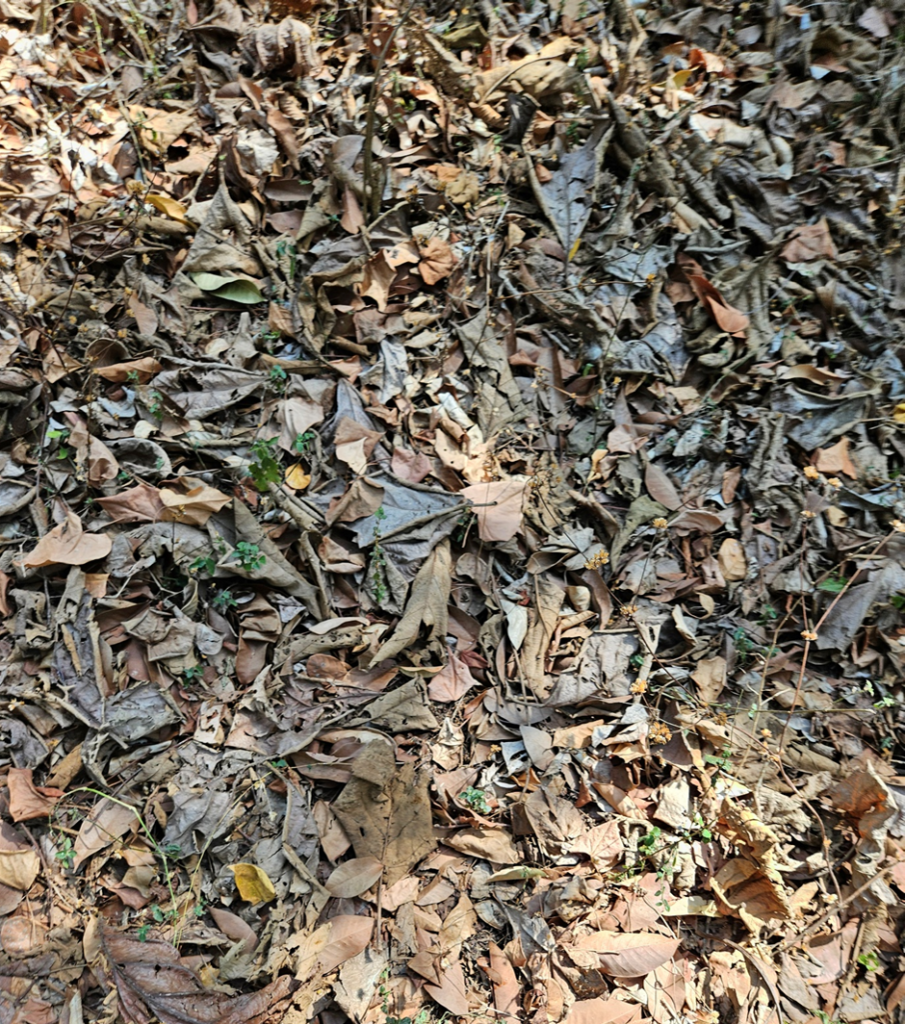
When the rain stops, your garden will be full of fallen leaves and twigs.
Instead of burning them, use them to cover your soil.
This natural mulch slowly breaks down into rich compost (humus), locking carbon in the soil and reducing emissions. It’s a win–win for both your garden and the planet.
Tip: Keep your soil covered year-round with leaf litter or plant waste. It keeps the soil moist and nourished.
4. Give It Time — Nature Knows What to Do
Don’t rush to fix everything after a downpour. If you follow the above steps and simply wait, nature will balance itself.
Microbes, earthworms, ants, and bees will return to the soil. They’ll aerate it, recycle nutrients, and help your plants recover. All you need is patience — and a little faith in nature’s process.
Tip: Observe your garden after the rain instead of intervening. Sometimes, doing nothing is the best action.
5. Don’t Micro-Manage Your Plants
It’s tempting to react to every hole in a leaf or fallen branch — but resist!
Your plants have their own immune system. If your garden gets enough sunlight and the soil is healthy, plants will naturally fight pests and infections.
Tip: Be present, not intrusive. The more you allow natural balance, the stronger your garden becomes.
The Hidden Perk: Rain-Ready and Drought-Resilient
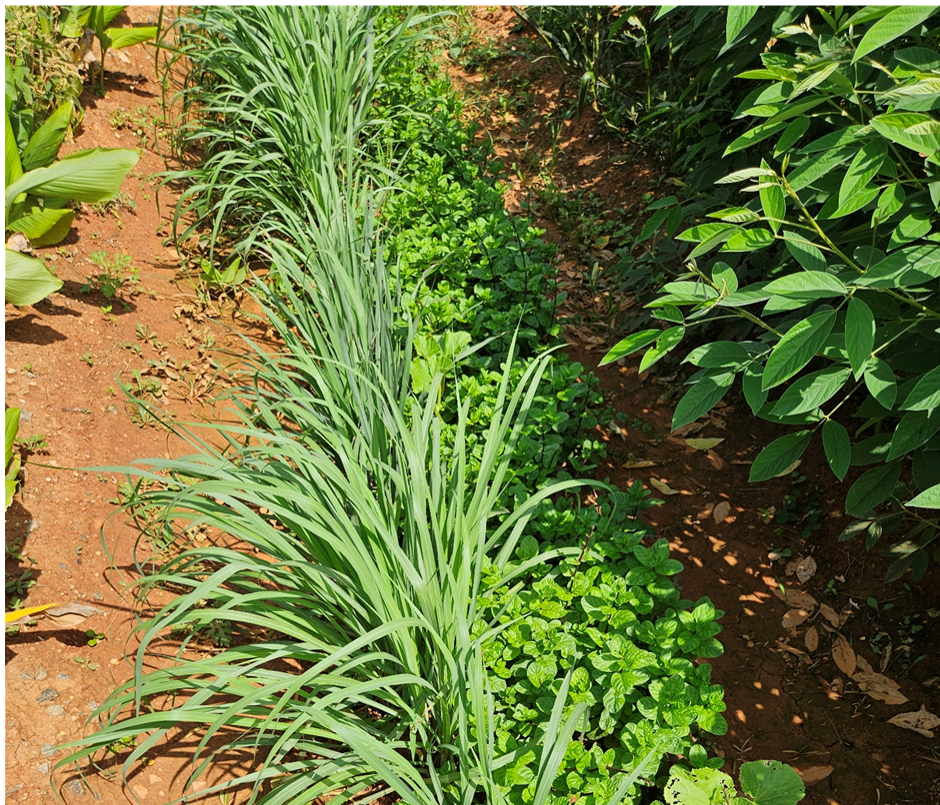
A garden cared for in this natural way not only survives heavy rains — it also thrives during dry spells. The mulch, humus, and porous soil you build during the monsoon will retain moisture when rains are scarce.
So whether it’s too much rain or too little, your garden will stay alive and green.
Final Thought
A truly sustainable garden doesn’t fight nature — it flows with it.
When you observe, wait, and trust the process, your garden will reward you with resilience, beauty, and abundance — rain or shine.