
Why Composting Is the Gateway to Sustainability
Composting is the first step, one should take if, one wishes to go sustainable. Composting is a method of transitioning food/Biodegradable waste into nourishment for soil.
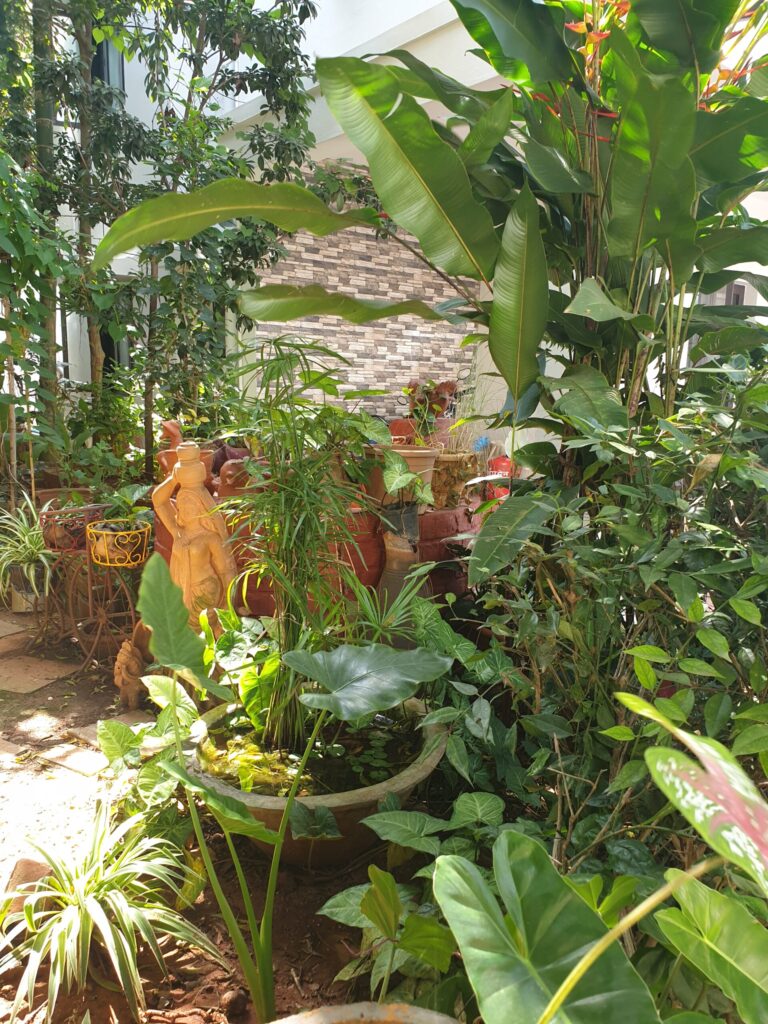
This might sound bizarre to some of you, but Composting is equivalent to your financial savings
In today’s world, where we have less space in our homes, less area for green cover, less space for waste dumping, and no space left for wildlife, we need to learn this important resource-making skill. Composting is the only skill that is carbon-negative in our daily lives. If you think of sustainable living, composting is the first discipline one should add to their routine.
A Skill That Grounds Families and Communities
If you’re an aspiring gardener or farmer—or even just a parent—composting adds deep value to your family’s learning journey. It’s a hands-on lesson in science, systems thinking, and sustainability.
In a world overwhelmed by global warming, deforestation, and the garbage crisis, composting should be considered a basic life skill.
What happens when you have been composting for more than a decade?… You cannot imagine not composting, it is part of your routine, like bathing or eating.
What Composting Teaches You (Beyond Soil Health)
- The first thing, composting teaches you is, what is biodegradable and what is not… An important science lesson, in practical day-to-day life.
- Within biodegradables, what will break down in a short time, or take a longer duration? and how you handle it. It will give you a crash course in troubleshooting/problem-solving skills.
- When you start seeing the result of composting, you will want to cook food at home, as the main ingredient of composting is kitchen waste… in turn, you will end up eating, healthy home-cooked meals.
- Once you harvest this black gold from your composter… You will want to have a garden or contribute to the community garden in your building. That’s a great way to make friends and start discussions on sustainability with others.
Shifting from Linear to Circular Thinking
- One of the most important aspects of composting is, learning the difference between a linear system and a circular system. If you are consistent…you will practically witness, that the waste you generate will come back to your plate as food.
- You will have a little ongoing experiment to demonstrate Demand and Supply chain or in sustainable terms, a holistic approach to your basic survival routine.
- In this isolated and fragmented world of ours. Knowing how things work in nature, through a little composter kept in the corner of your balcony is a matter of discipline or a little ritual that is worth the planet.
- The very perception of dustbins and trash bins will change. It’ll be easy to segregate waste and handle it without feeling repulsed… When you eliminate wetness from your garbage, it is just a bag full of different dry materials, that can be segregated easily.
- When you segregate, you will see some of the stuff you can repurpose… It can also help ignite your creative side and avoid some unnecessary shopping.
Composting as a Quiet Discipline
Initially, composting can feel overwhelming. But over time, it becomes effortless—just part of your rhythm. It builds muscle memory, nurtures mindfulness, and invites you to value the small, invisible chores that sustain your household.
Done as a family, composting isn’t just about reducing waste. It’s about building rituals, restoring balance, and reconnecting with the natural world—even if all you have is a little composter in the corner of your balcony.