Healing Soil
HandmadeNo chemicalsSmall batchMade to orderGoa
skincare

Loofah soap benefits and how to use it without over-scrubbing

Loofah soap combines a soap bar with a natural scrub texture. Learn when to use it, who should avoid it, and how to make it last.

Loofah soap benefits and how to use it without over-scrubbing

Try the starter bundle

Four soaps, ₹1,000. SLS-free, made to order from Goa. Free shipping.

See the bundle

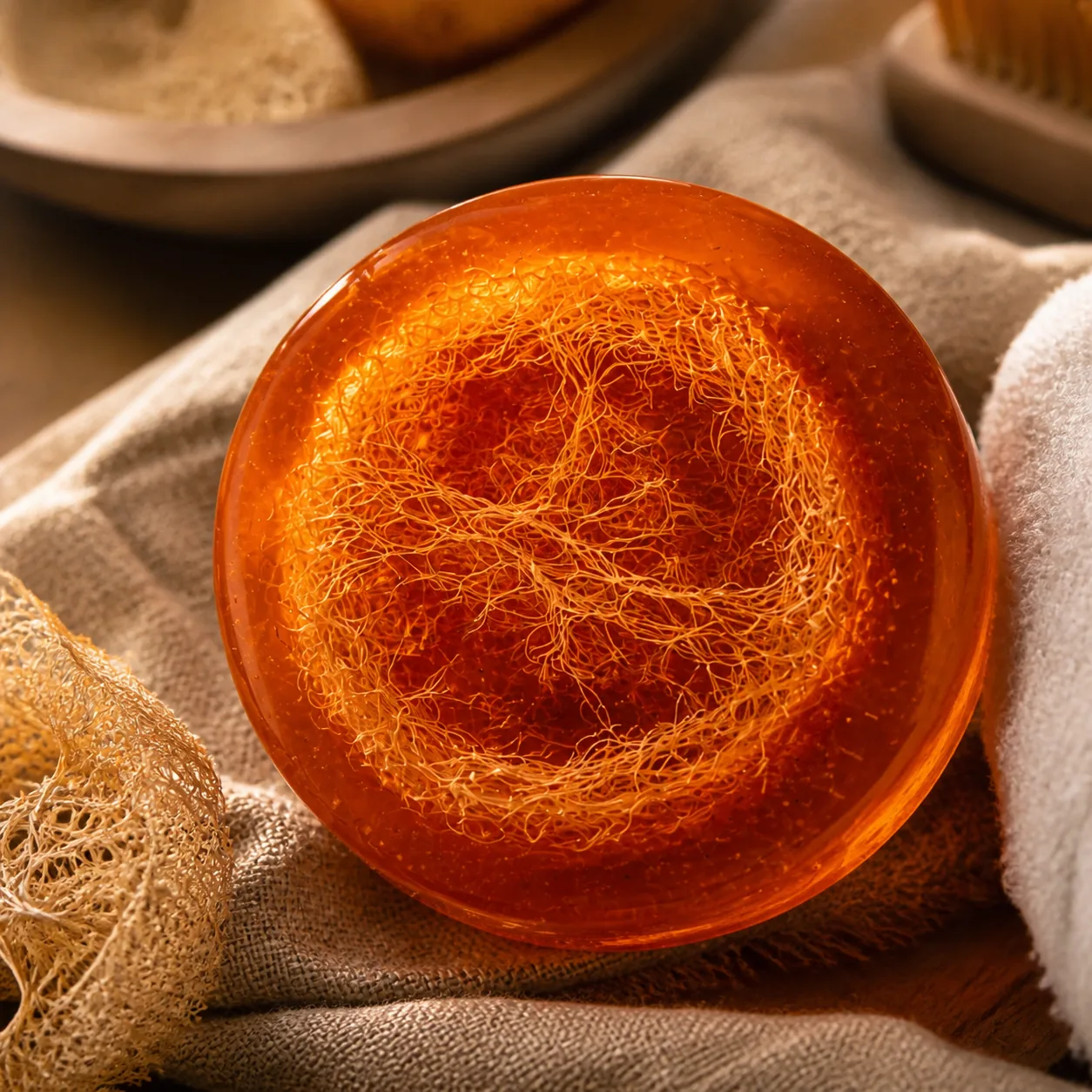
Loofah soap is a soap bar with a natural loofah slice inside it. It gives you cleansing and texture in one bar, which makes it useful for feet, elbows, knees, and areas that need a more thorough wash.

Our Natural Loofah Soap uses a glycerin base with sun-dried loofah. It is not meant to be used like a harsh scrub. Used lightly, it gives a practical textured wash without synthetic scrub particles.

What are the benefits of loofah soap?

The main benefit is controlled physical texture. A loofah soap helps lift sweat, dirt, and dry surface buildup from areas where a smooth bar can feel too gentle.

It is especially useful for:

  • Feet and heels
  • Elbows and knees
  • Post-garden or post-workout washing
  • People who prefer a textured bath bar

Because the base is glycerin, the bar rinses clean and feels light.

How to use loofah soap

Wet the bar, let it soften for a moment, and use light pressure. You do not need to scrub hard. The loofah texture does the work.

Use it two or three times a week on textured areas, or daily only if your skin is comfortable with it. Avoid using strong pressure on the face, neck, or any area that already feels uncomfortable.

If your skin is reactive, read our sensitive skin soap guide first. A smooth goat milk or glycerin bar may be a better daily choice.

Loofah soap vs regular soap

Regular soap is better for everyday full-body washing. Loofah soap is better when you want texture.

If you are deciding between the two, read the full comparison: loofah soap vs regular soap.

Where loofah soap fits in a routine

Think of loofah soap as a body-use texture bar, not your only soap for every situation. Many people keep a smooth soap for daily bathing and a loofah bar for feet, elbows, knees, or post-garden washing.

This is especially useful if you like the feeling of a scrub but do not want plastic beads or a separate bath accessory. The loofah is part of the bar, so there is nothing extra to store.

For the lightest non-textured option, choose a glycerin soap. For a creamier wash, choose goat milk soap. For a richer dry-skin bar, compare goat milk vs shea butter soap.

How to make loofah soap last

Keep it dry between uses. The loofah holds water, so a draining soap dish matters more than usual. Do not leave the bar in a puddle, and let air reach both sides.

For travel, use a small draining case and leave it open after bathing when possible. If you prefer a smaller option for trips, see our small travel soap bars.

Who should choose it?

Choose loofah soap if you want a natural exfoliating soap for body use, especially feet and rougher areas. Choose a smooth glycerin soap or goat milk soap if you want a gentler daily bar.

Do not use it like a hard scrub. Light pressure is enough. The goal is a cleaner-feeling textured wash, not a harsh polish.

Written by Healing Soil

Want the full picture? Read our complete guide to handmade soap in India.