SLS and parabens in soap: why commercial soap is harsher than it needs to be
Most commercial soap sold in India contains two ingredients worth understanding: SLS and parabens. Here is what they are, what they do to skin, and why a lot of people notice a difference when they switch away from them.
Try the starter bundle
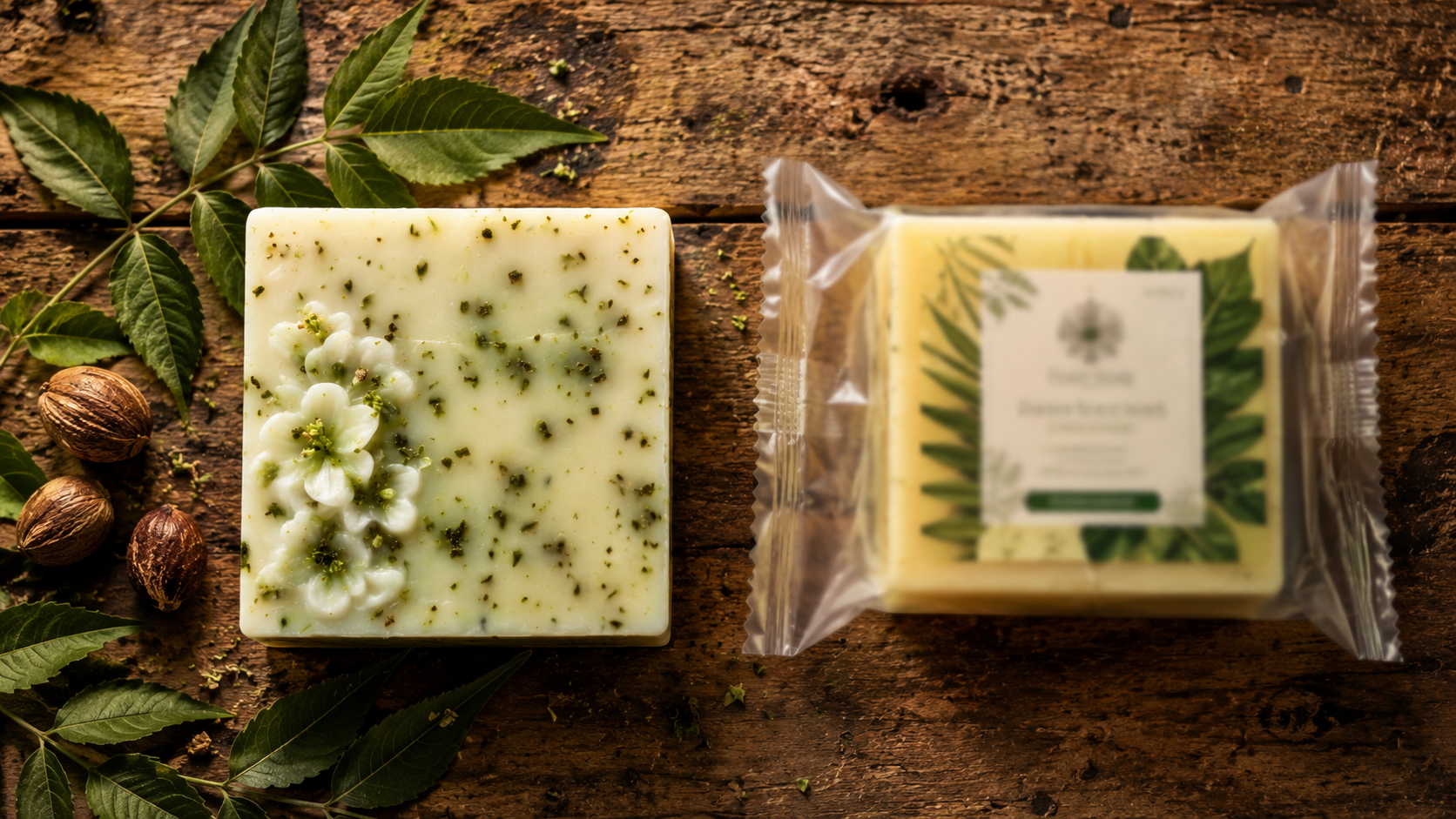
Four soaps, ₹1,000. SLS-free, made to order from Goa. Free shipping.
Most people have been using the same soap brand for years without ever reading the ingredient list.
That is not unusual. Soap has been a background product for most of us - something you use without thinking. But two ingredients that appear in most commercial soap in India are worth understanding: sodium lauryl sulfate and parabens.
What SLS is and what it does
Sodium lauryl sulfate, or SLS, is a detergent. It is what creates the dense, fast lather most people associate with soap doing its job. It is also what removes your skin's natural oil layer every time you wash.
Your skin produces a protective oil layer that keeps moisture in and irritants out. SLS does not distinguish between dirt and this protective layer. It strips both efficiently. When you wash twice a day with SLS-heavy soap, the skin is never quite given time to rebuild what it lost.
For many people in India, this is compounded by hard water. Hard water reacts with SLS to reduce lather, which leads people to use more soap to feel clean. The minerals in hard water also leave a thin film on skin as it dries. Together, SLS stripping and hard water mineral deposit create a persistent dryness that many people have never connected to their soap at all.
What parabens are and why they are in your soap
Parabens are preservatives. They prevent mould and bacteria from growing in the formula over months or years of storage and distribution.
Commercial soap is manufactured, packaged, distributed through a warehouse network, and placed on retail shelves. That process takes months. Parabens make the product stable across that timeline.
Handmade soap made in small batches and sold directly does not need the same preservation because it does not sit in a warehouse. But commercial soap does, and parabens are the most common way manufacturers solve that problem.
Some people find parabens irritating, particularly on skin that already reacts easily. The broader point is what they signal about the product: it was designed for mass distribution and long shelf life, not for what happens to your skin after every wash.
How to read a soap label
The ingredient list is where the useful information is. Look for:
- Sodium lauryl sulfate (SLS) or sodium laureth sulfate (SLES) anywhere near the top of the list. Ingredients are listed from highest to lowest concentration, so the higher up, the more of it there is.
- Parabens, listed as methylparaben, propylparaben, butylparaben, or ethylparaben.
- "Fragrance" or "parfum" without further detail. This almost always means synthetic fragrance, which is a common source of reactions in people with sensitive skin.
A bar without SLS, SLES, parabens, or synthetic fragrance is genuinely different from most commercial soap, regardless of whatever word is printed on the front.
For a detailed walkthrough of soap labels, the SLS-free soap guide covers it step by step.
What switching actually changes
Removing SLS from your routine stops the stripping cycle. Skin is allowed to maintain its natural protective layer between washes. For most people, the tightness after washing reduces within the first week. Longer-term changes - persistent dryness or skin that always feels uncomfortable after a shower - usually take two to three weeks to improve as the skin settles into a different baseline.
Hard water still deposits minerals. But without the compounding effect of SLS, skin handles it better.
The Healing Soil bars
None of the Healing Soil bars contain SLS, parabens, or synthetic fragrance. Three soap bases - glycerin, goat milk, and shea butter - each working differently depending on your skin.
The starter bundle includes one bar from each base, plus a travel size, for one order. It is the most practical way to find out which base suits your skin before committing to a full supply.
If you are not sure which base to start with, the handmade soap guide has a straightforward comparison.
Written by Healing Soil
Shop these soaps
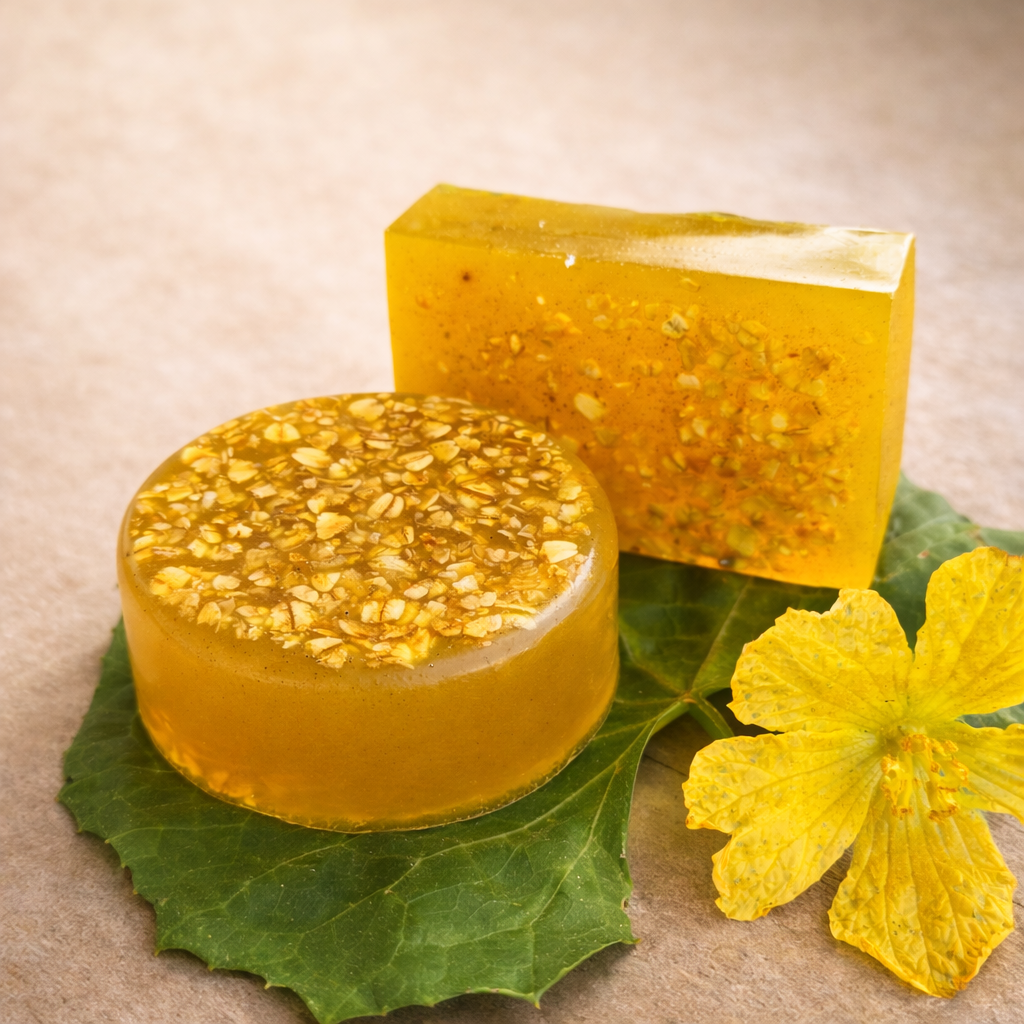
Honey Oats Glycerin Soap
TexturedA soothing 100g glycerin soap with real honey and oat flakes — honey draws in moisture while oats calm irritated or sensitive skin. Warm, lightly sweet scent and a soft lather with gentle texture. Ideal for dry or reactive skin.
₹250
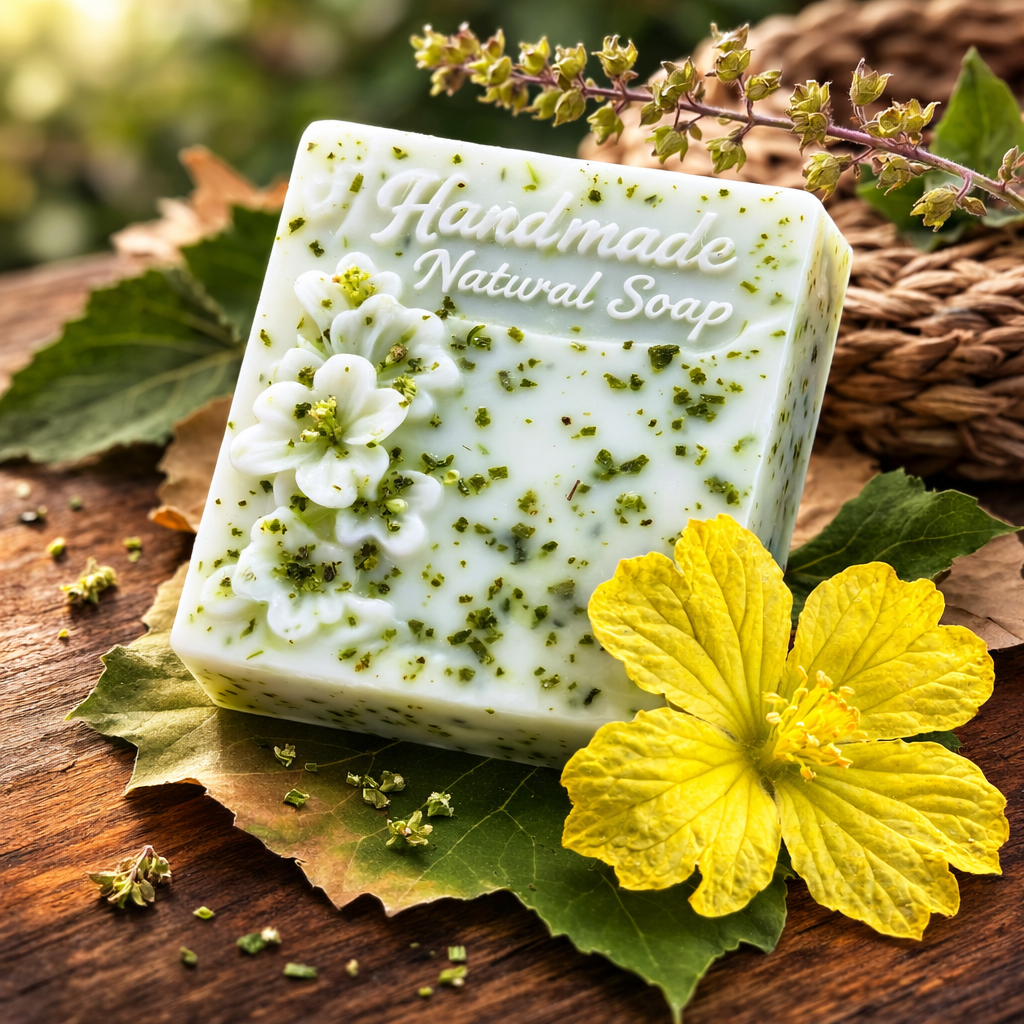
Neem & Tulsi Goat Milk Soap
TexturedA creamy 100g goat milk soap with sun-dried neem and tulsi — Ayurvedic herbs long used for their antibacterial and skin-balancing benefits. Richer lather than the glycerin version, with a gentle herbal scent and a moisturising finish.
₹350
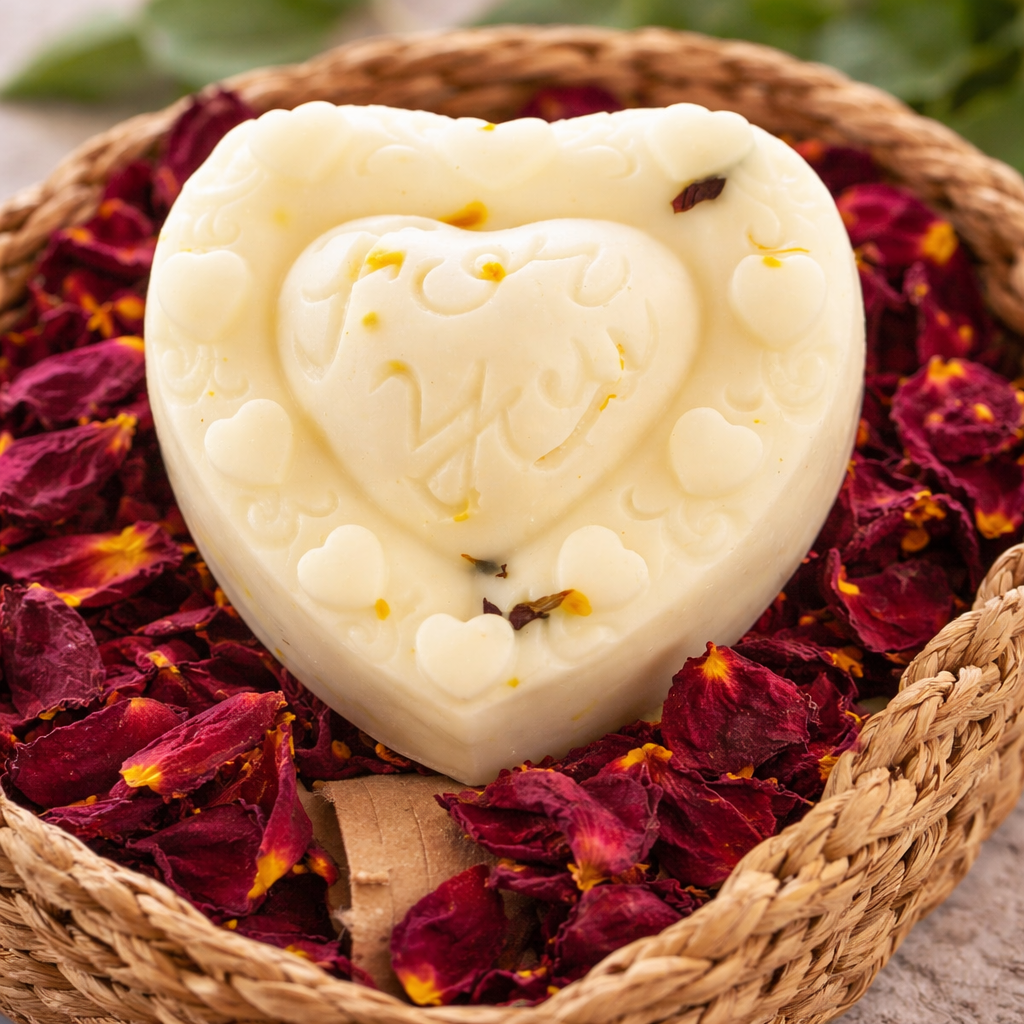
Shea Butter – Kesar Gulab
Mildly TexturedA richly moisturising 100g shea butter soap with saffron and rose — shea butter nourishes deeply, saffron brightens, and rose soothes and hydrates. Slow, creamy lather with a warm floral scent. The most indulgent bar in the Healing Soil range.
₹400
Want the full picture? Read our complete guide to handmade soap in India.