Best soap for rainy season in India: what to use during monsoon
Rainy season calls for a bar that rinses clean in humidity. Here is how to choose between glycerin, goat milk, neem, and tulsi.
Made by hand in South Goa
Handmade soap with no SLS, parabens, or synthetic fragrance. Send us a message on WhatsApp and we will help you find one that suits you.
Rainy season changes how soap feels on skin. The air is humid, clothes stay damp longer, and most people wash more often because sweat and stickiness build up through the day.
The best soap for rainy season in India is not the harshest soap. It is a bar that cleans well, rinses clean, and does not leave skin feeling tight. That is why we usually recommend a light glycerin soap with traditional monsoon botanicals like neem and tulsi.
If you want the short answer, start with our soap for monsoon guide. If you want to understand why, here is the practical way to choose.
Why monsoon skin feels different
During monsoon, skin often feels oily and uncomfortable even when it is not truly oily. Humidity slows evaporation, so sweat sits on the skin longer. Dust, sunscreen, and city pollution also stick more easily.
The mistake is switching to a very harsh detergent bar. It may feel squeaky clean for a few minutes, but it can feel too strong for frequent monsoon washing.
A better rainy season bar should do three things:
- Rinse clean in high humidity
- Rinse clean after sweat and humidity
- Stay mild enough for frequent washing
Why glycerin works well in rainy season
Glycerin soap is the lightest base we make. It gives a clean wash without the heavy conditioning feel of richer bases.
That matters in rainy season because shea butter, while excellent for dry skin, can feel too rich in humid weather. Goat milk is a good middle ground, but for most monsoon days, glycerin is the easiest base to live with.
If you are comparing bases, read the glycerin vs goat milk soap guide. The same logic applies strongly during monsoon: glycerin for lightness, goat milk if your skin still tends to feel dry.
Neem and tulsi for monsoon routines
Neem and tulsi are traditional Indian personal care ingredients, especially in humid months. In soap, they give an earthy, grounded wash without needing synthetic fragrance.
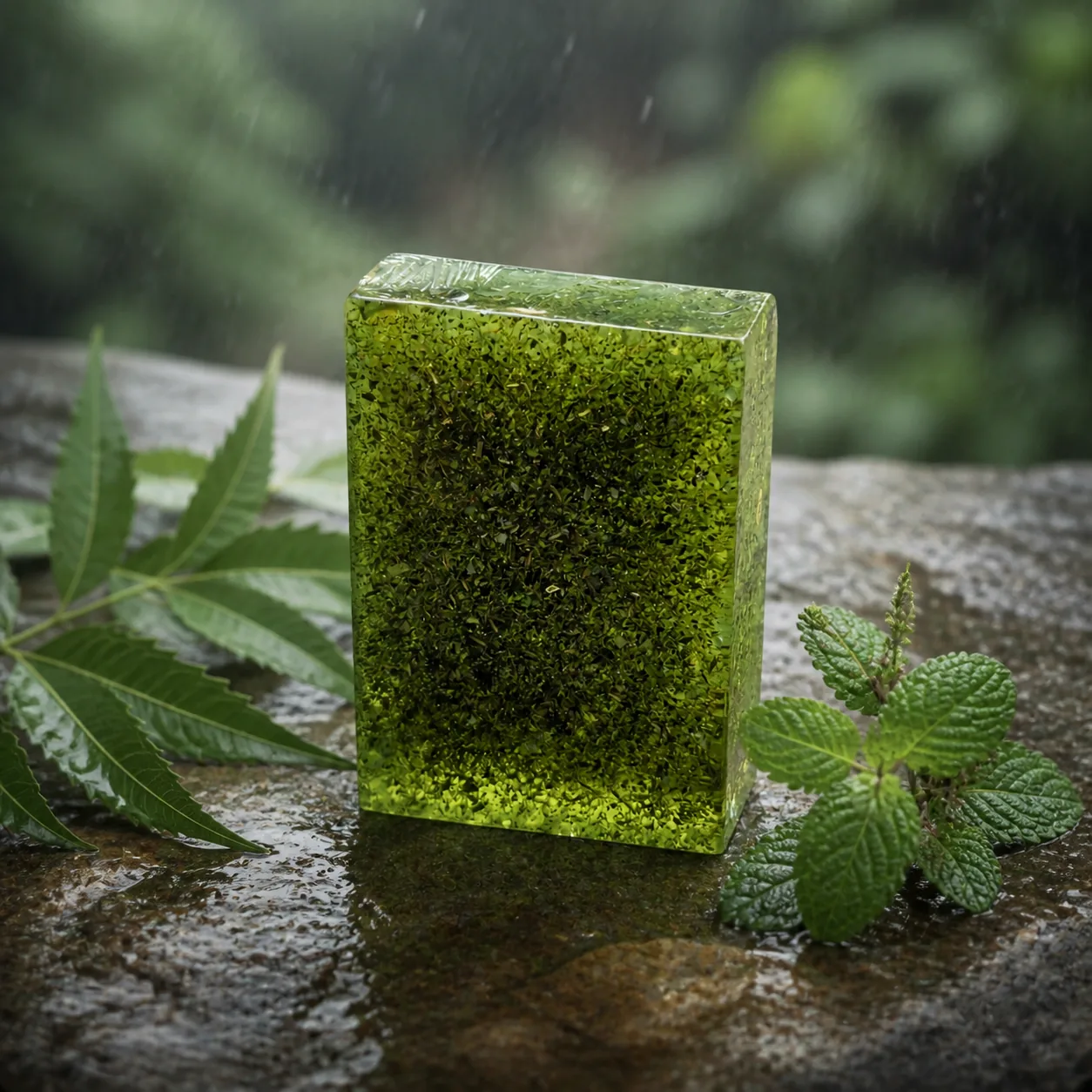
Our first pick for rainy season is Neem Tulsi Glycerin Soap. It is light, SLS-free, and suited to frequent washing. If your skin prefers something creamier, Neem Tulsi Goat Milk Soap gives the same botanicals in a softer base.
What to avoid in rainy season soap
Avoid bars that rely on strong synthetic fragrance to feel fresh. The scent may be noticeable, but it does not make the bar gentler or better suited to humidity.
Also check for SLS or SLES if your skin feels tight after bathing. Many commercial soaps use these detergents for fast foam. If you prefer a gentler after-wash feel, choose an SLS-free soap instead.
Which Healing Soil soap should you choose?
For most people in rainy season:
- Choose Neem Tulsi Glycerin Soap if you want the lightest daily wash.
- Choose Neem Tulsi Goat Milk Soap if you want the same monsoon herbs with a creamier feel.
- Choose Kesar Haldi Goat Milk Soap if your skin still feels dry even in humid weather.
The best soap for rainy season is the one you can use every day without feeling either sticky or tight. In Indian monsoon weather, that usually means a light SLS-free base, clean rinsing, and simple botanicals that do not overwhelm the skin.
For a direct recommendation, see our best soap for monsoon page.
Written by Healing Soil
Want the full picture? Read our complete guide to handmade soap in India.