skincare
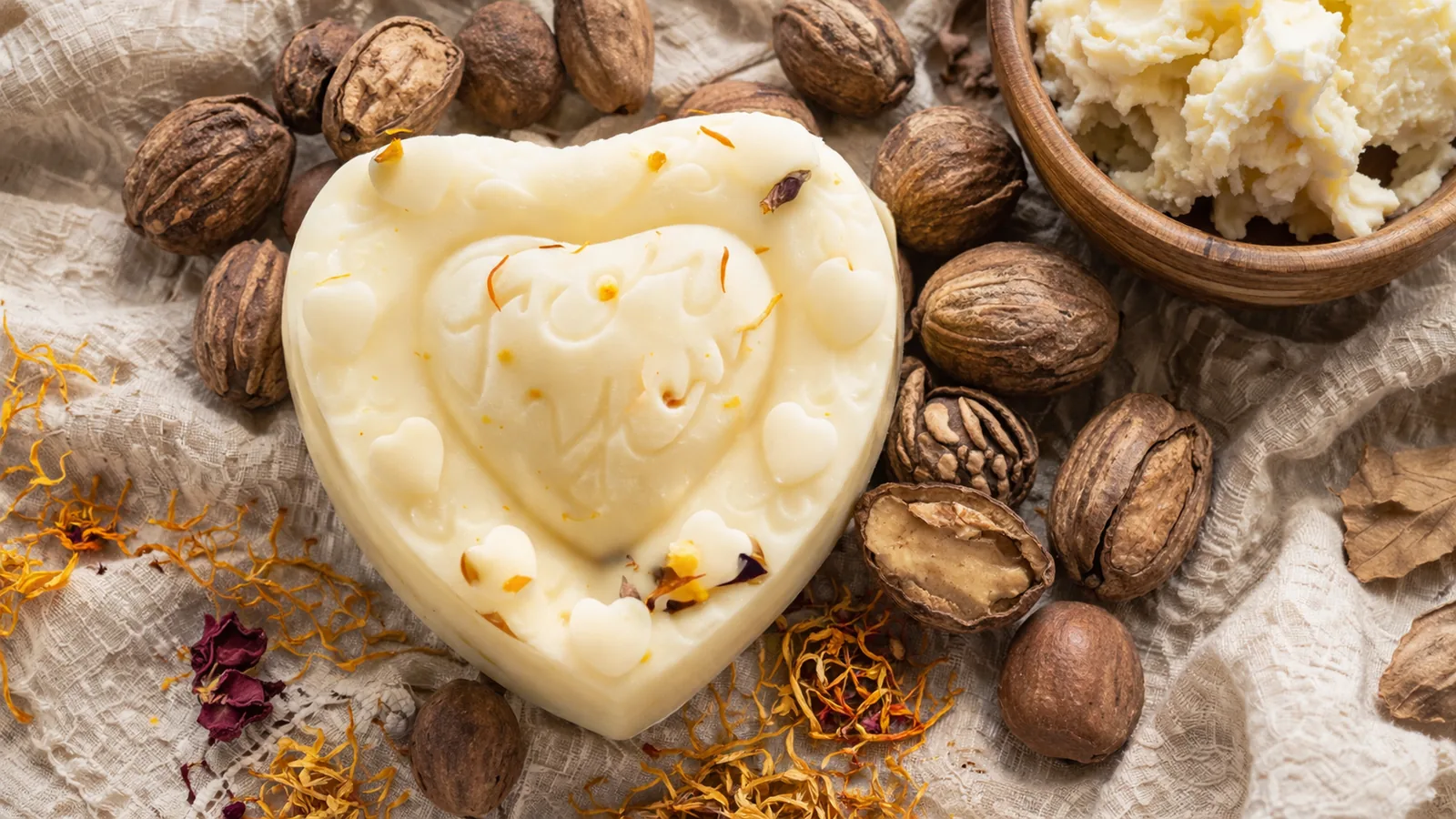
Shea Butter vs Glycerin Soap Base: Rich or Light?
Shea butter soap base feels rich and conditioning; glycerin soap base feels light and clean. Compare lather, richness, and after-wash feel.
Soap, slow living, and stories from a farm in South Goa.
Shea butter soap base feels rich and conditioning; glycerin soap base feels light and clean. Compare lather, richness, and after-wash feel.
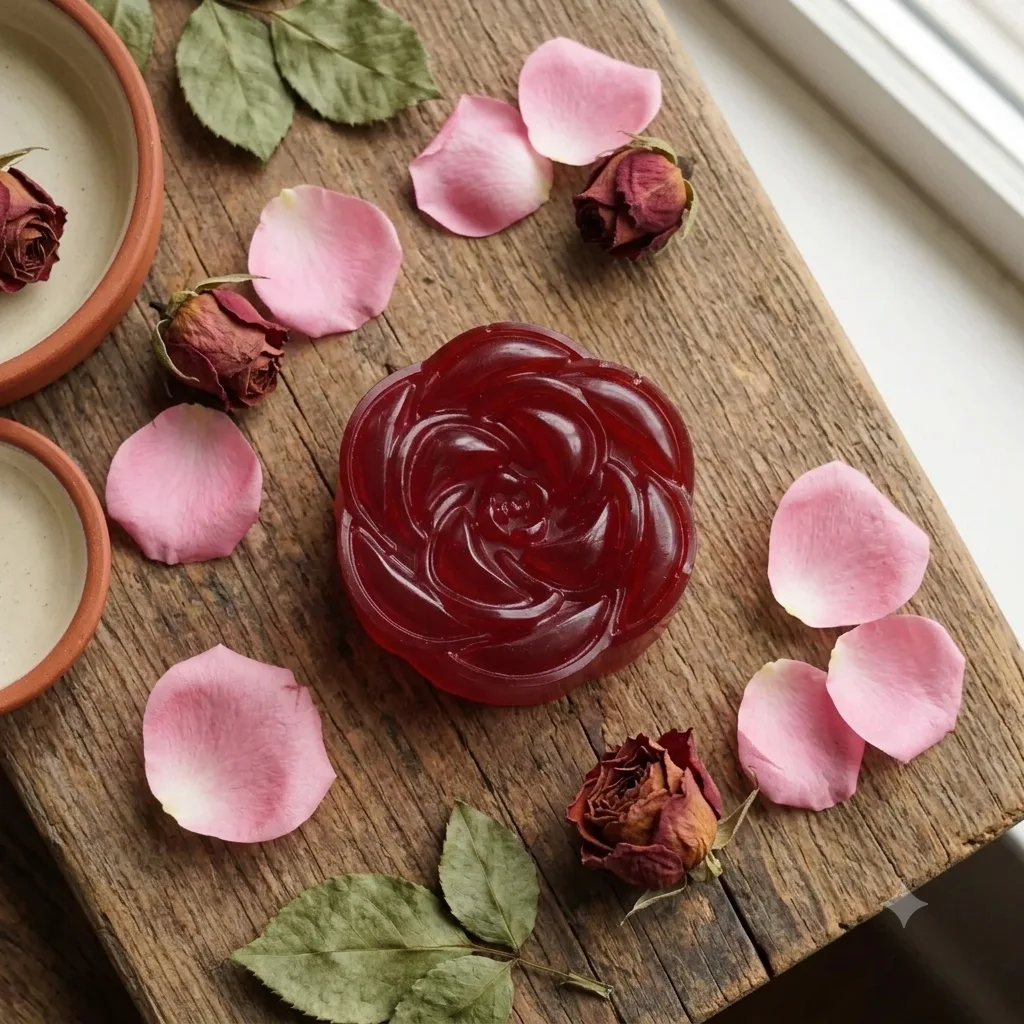
A practical guide to rose soap: the essential oil behind the scent, what the bar feels like, and how to choose between our shaped and everyday bars.
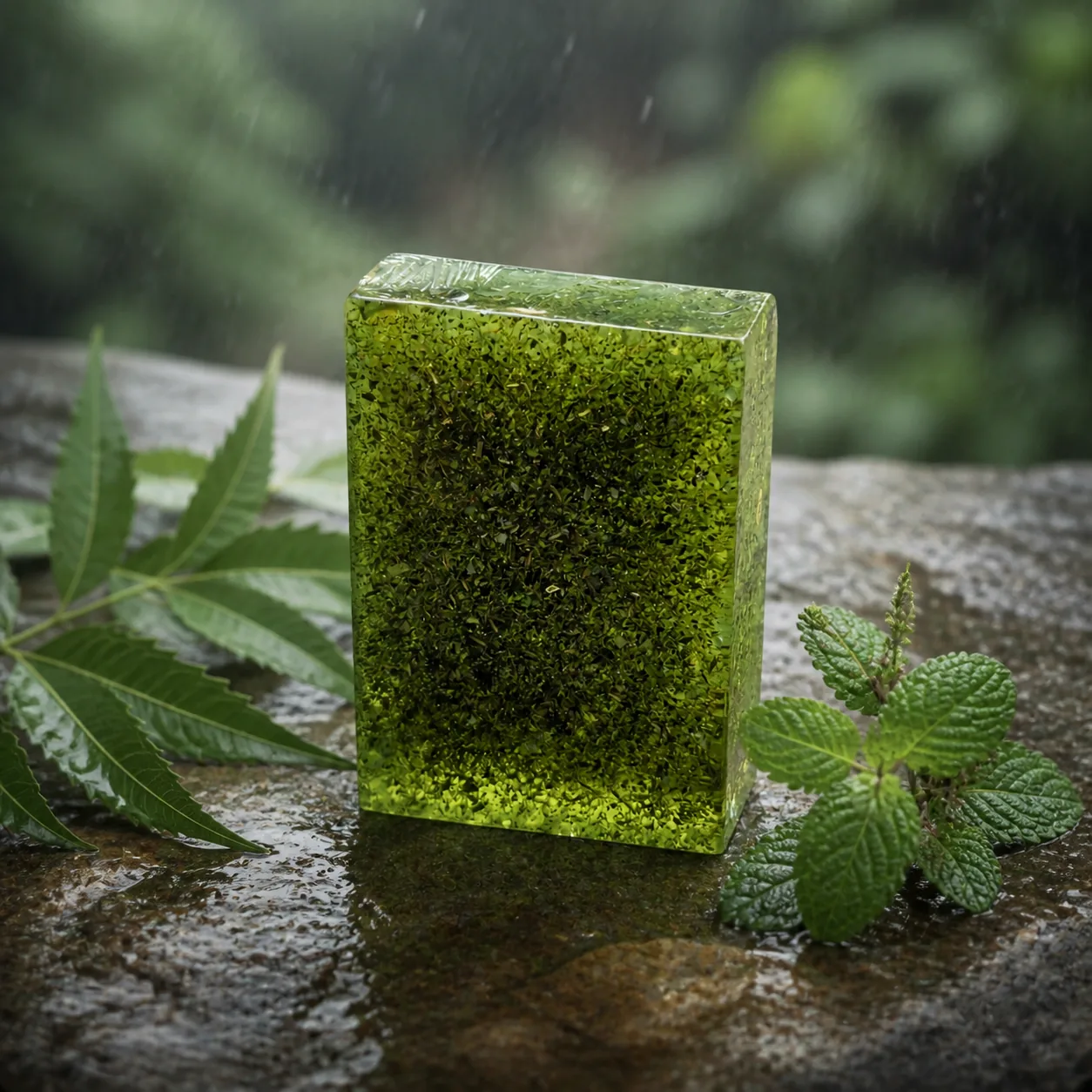
Rainy season calls for a bar that rinses clean in humidity. Here is how to choose between glycerin, goat milk, neem, and tulsi.
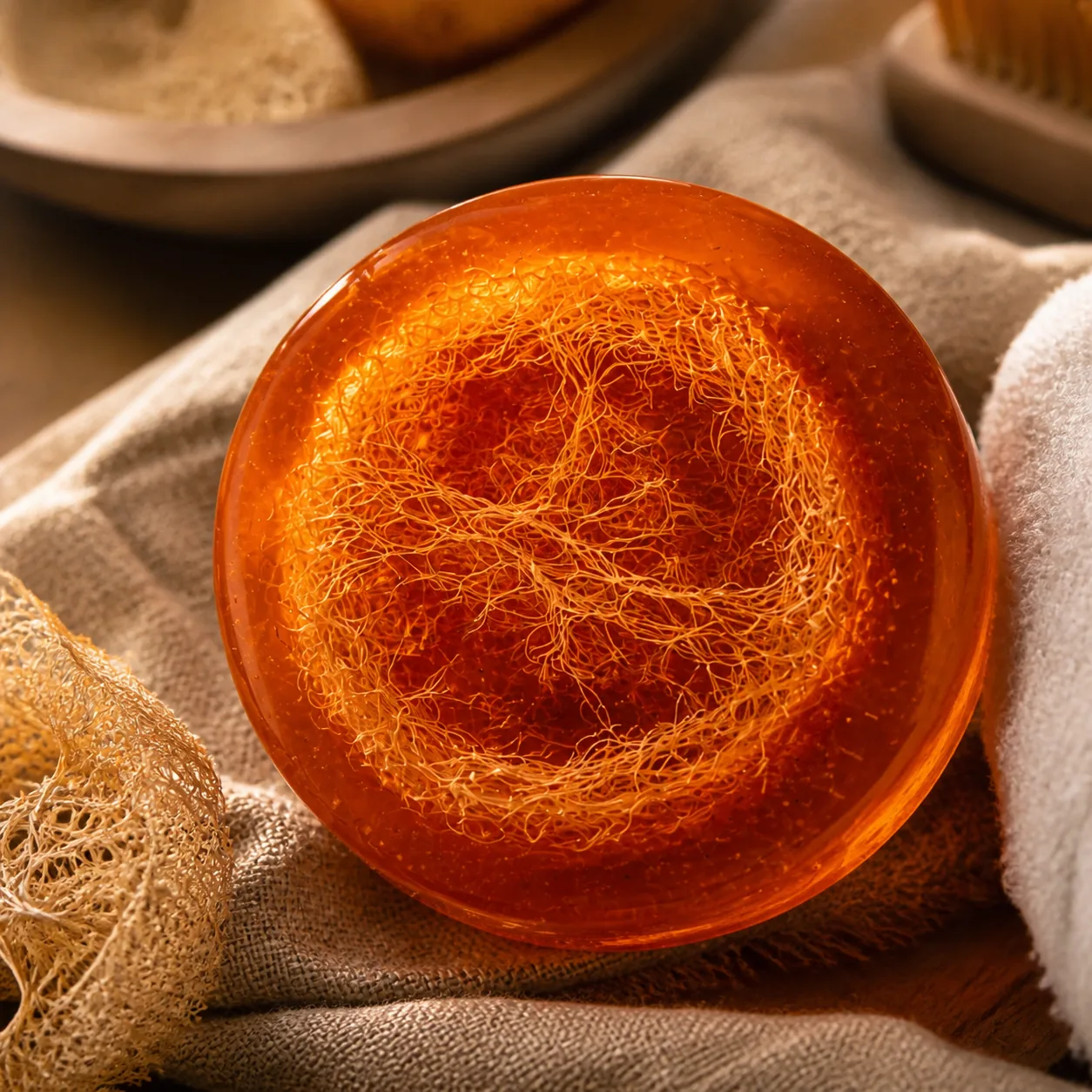
Loofah soap combines a glycerin bar with a natural textured insert. Learn how it feels, where to use it, and how to keep it dry.
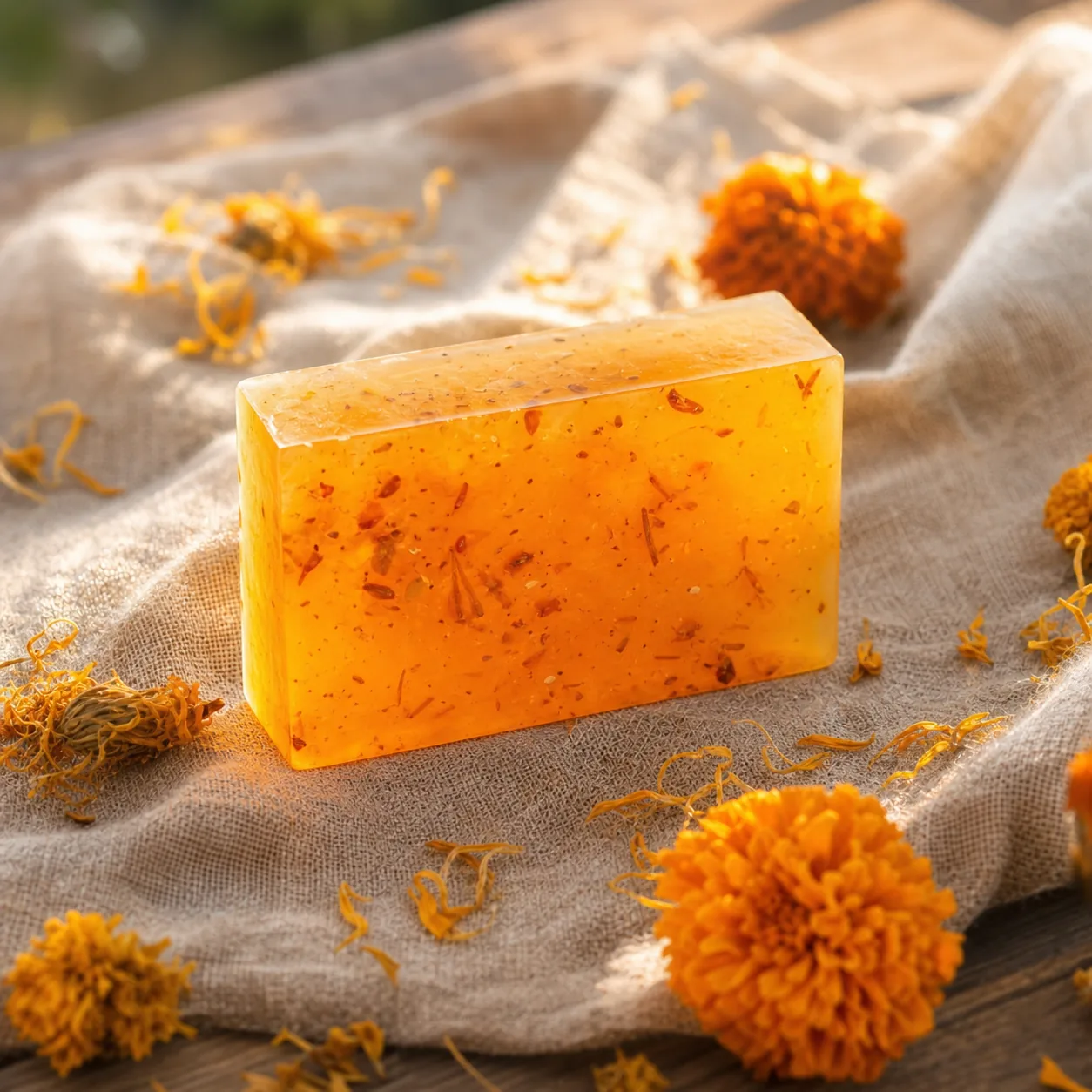
See how marigold petals become a small-batch soap with golden colour, a warm floral scent, and a gentle lather.
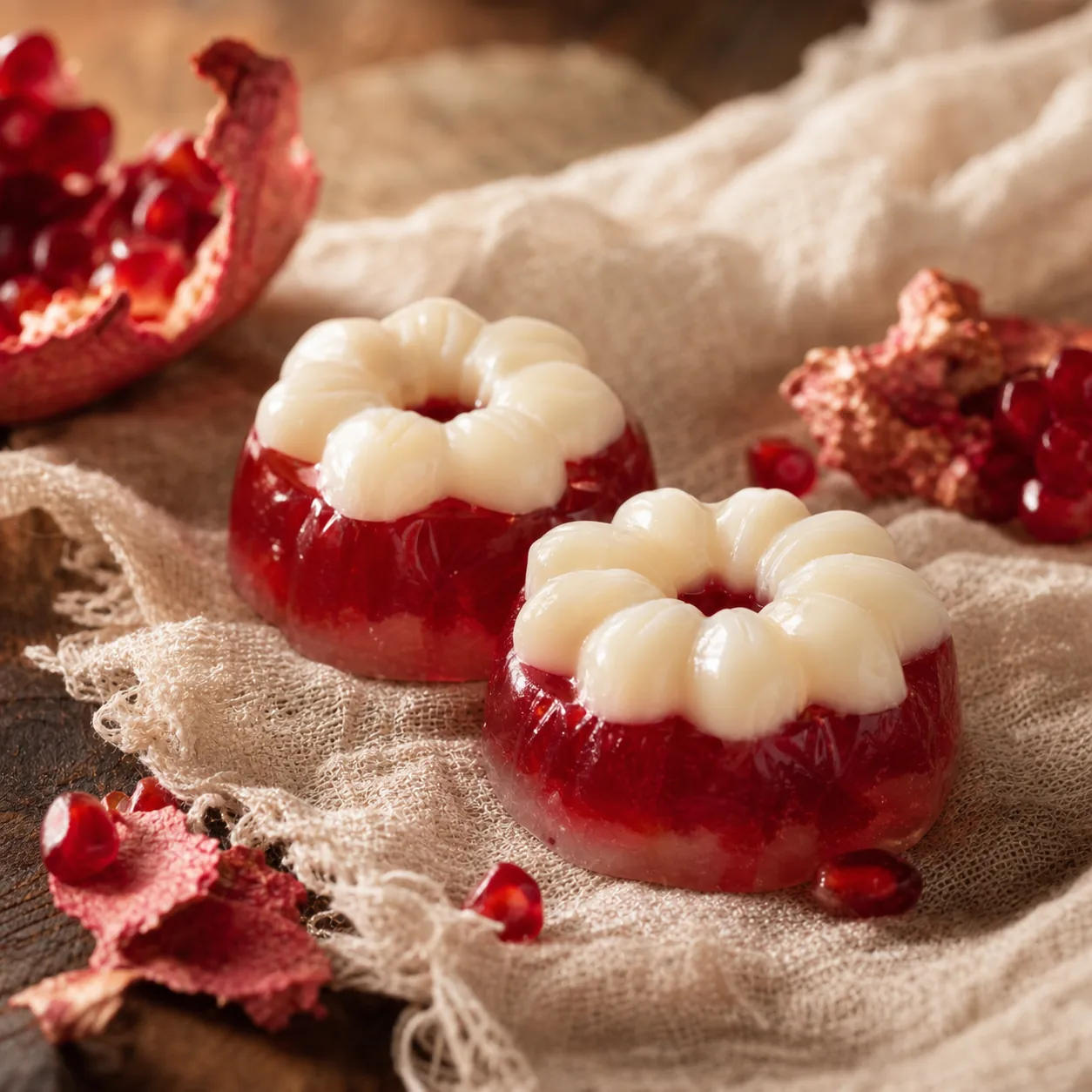
Pomegranate soap gives a rich, grounded wash with a deep natural colour. Learn how it feels in glycerin and goat milk bases.
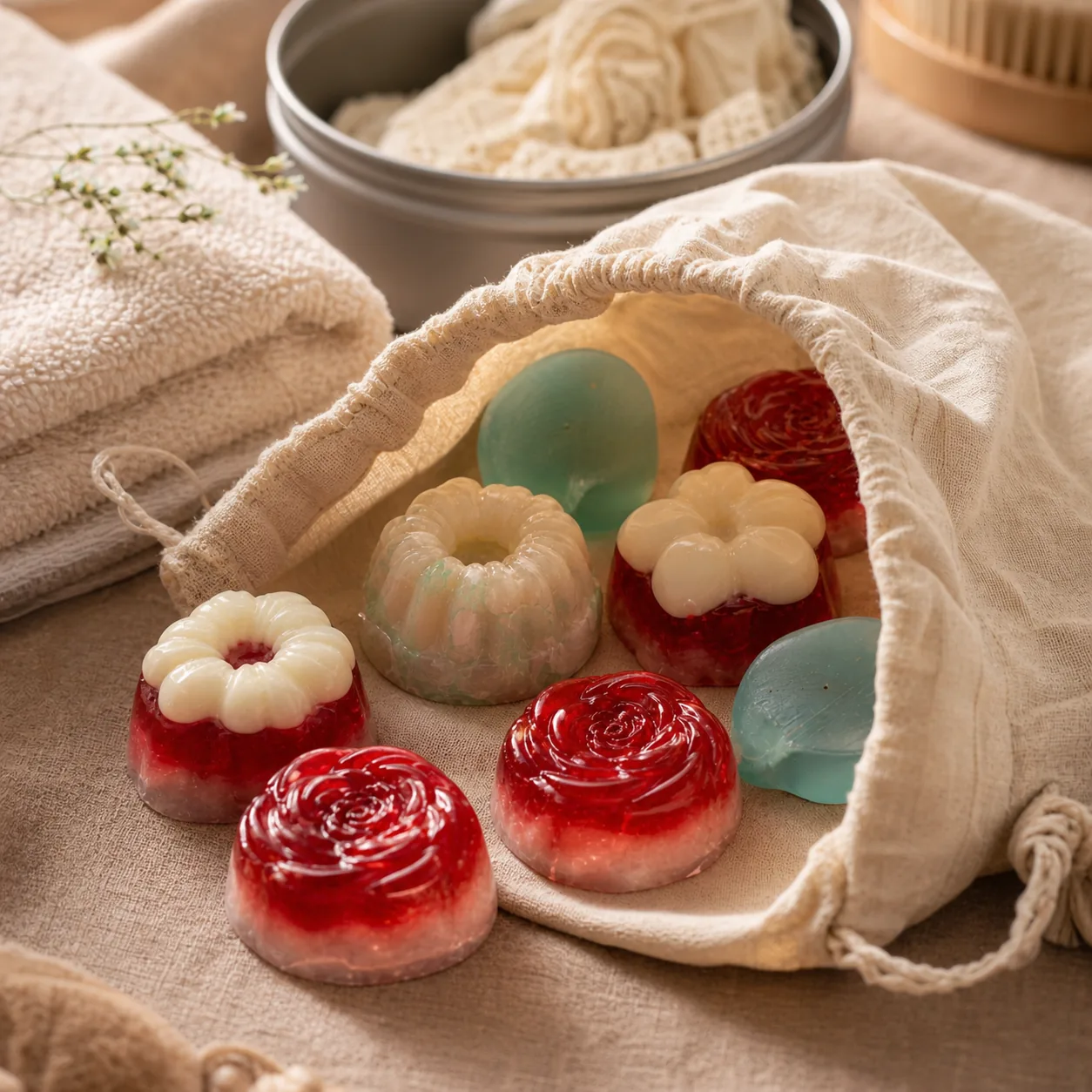
A practical guide to drying, storing, and packing solid soap for short trips, flights, gym bags, and guest stays.
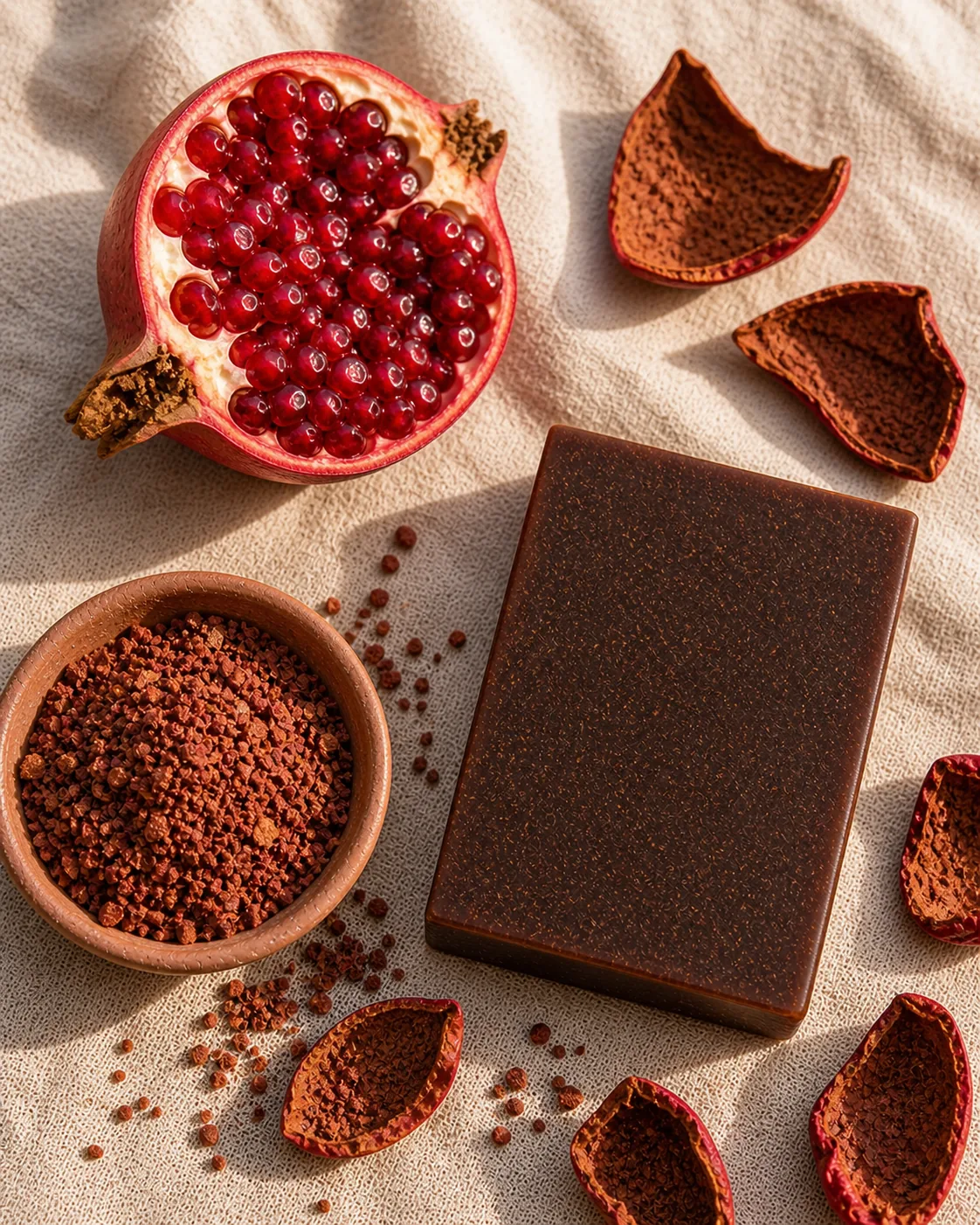
Sun-dried pomegranate peel, two soap bases, and one small-batch process in Goa.
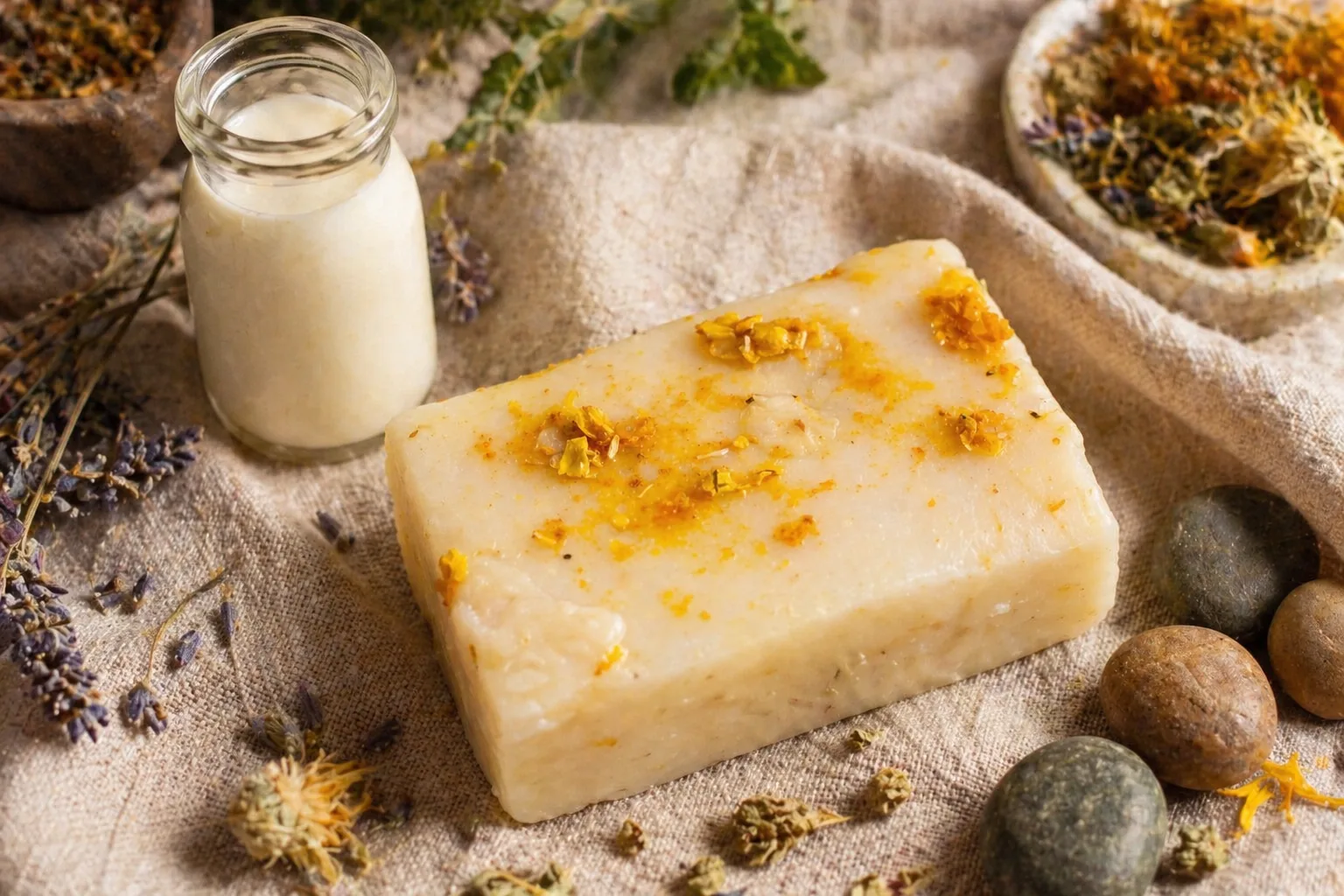
A practical guide to goat milk soap ingredients, creamy lather, base comparisons, and after-wash feel.
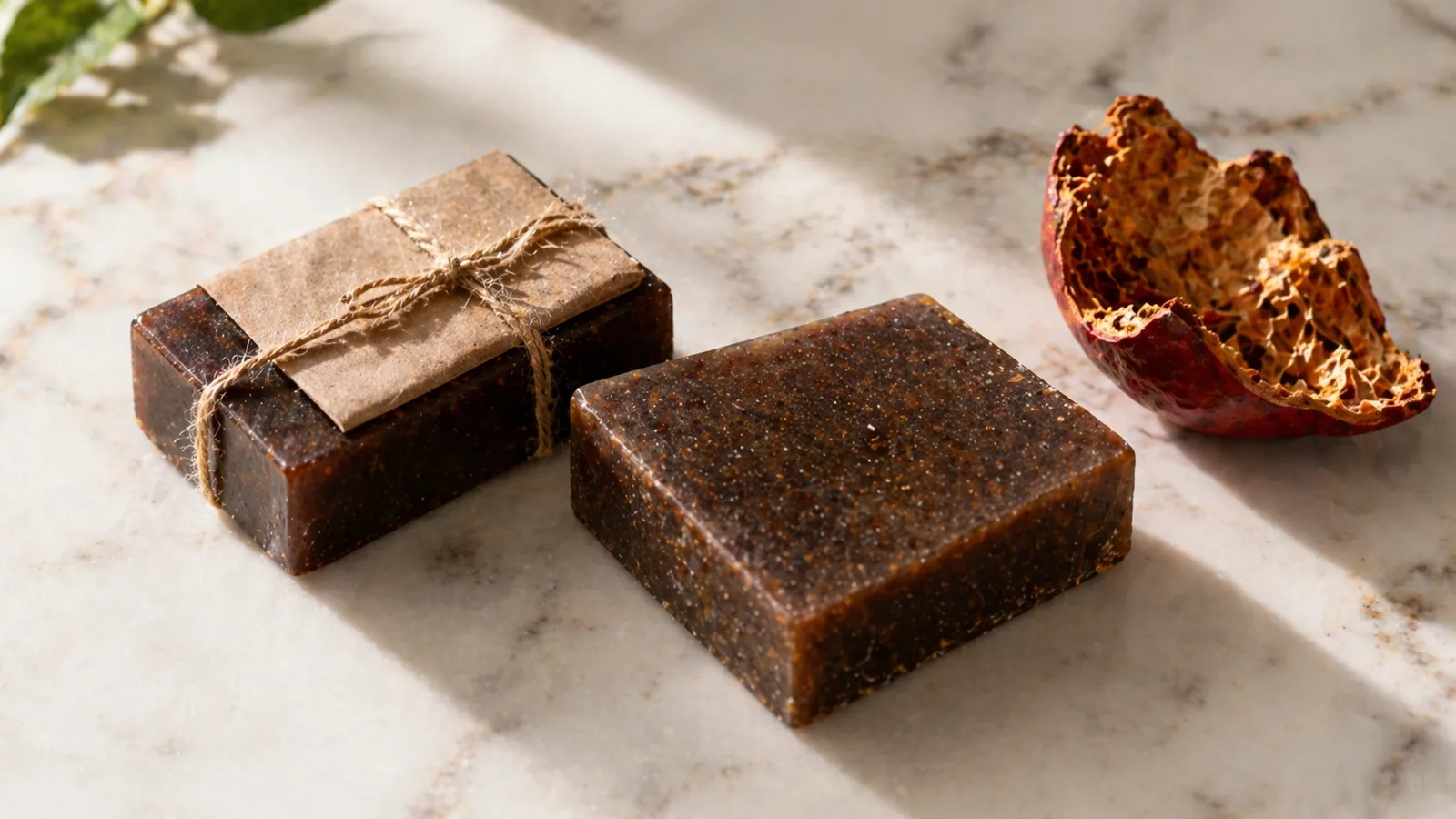
A practical guide to choosing, ordering, and storing small-batch handmade soap in Bangalore.
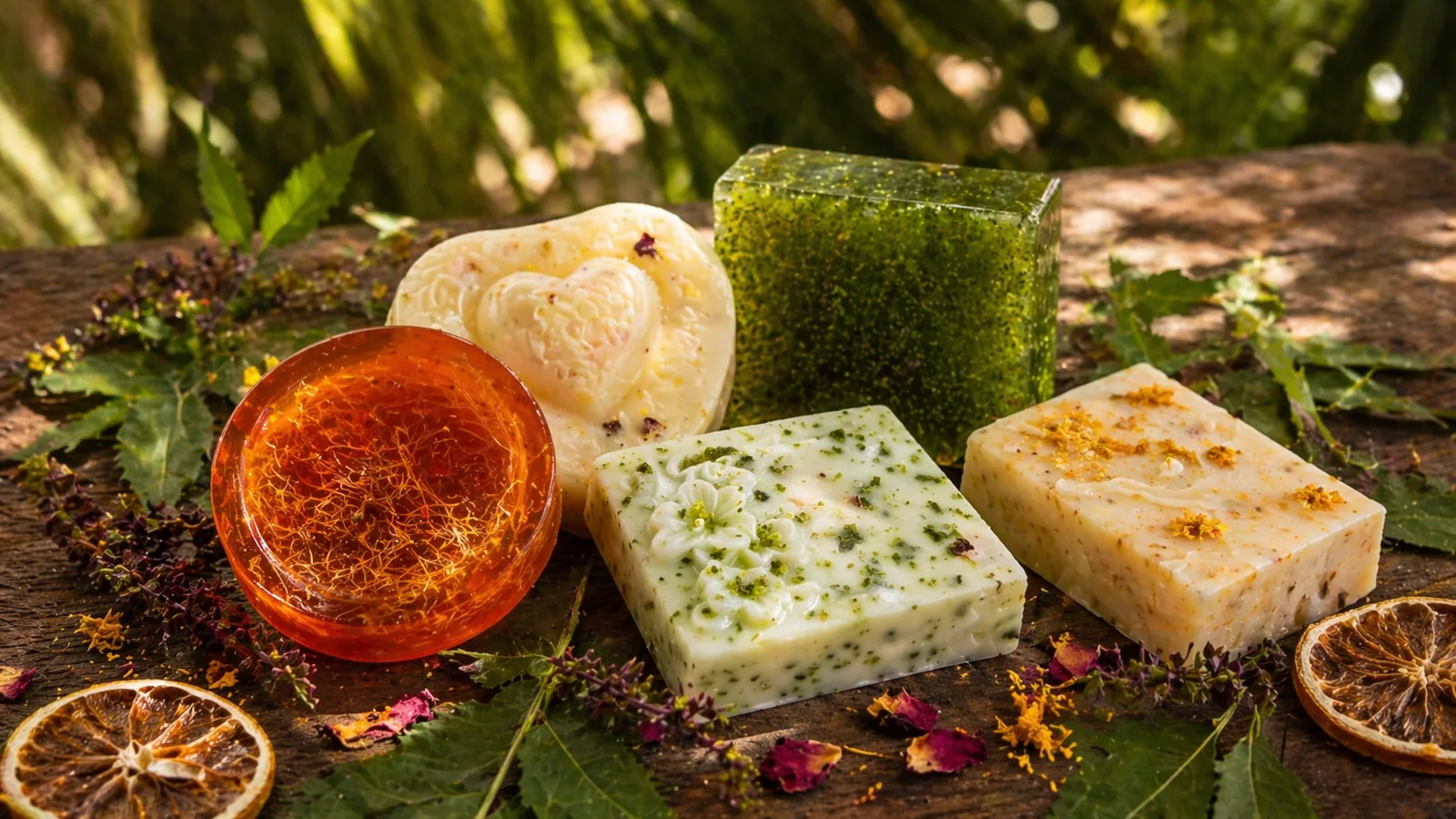
How Healing Soil hand-pours soap in Goa, which ingredients are farm-grown, and how each base feels.
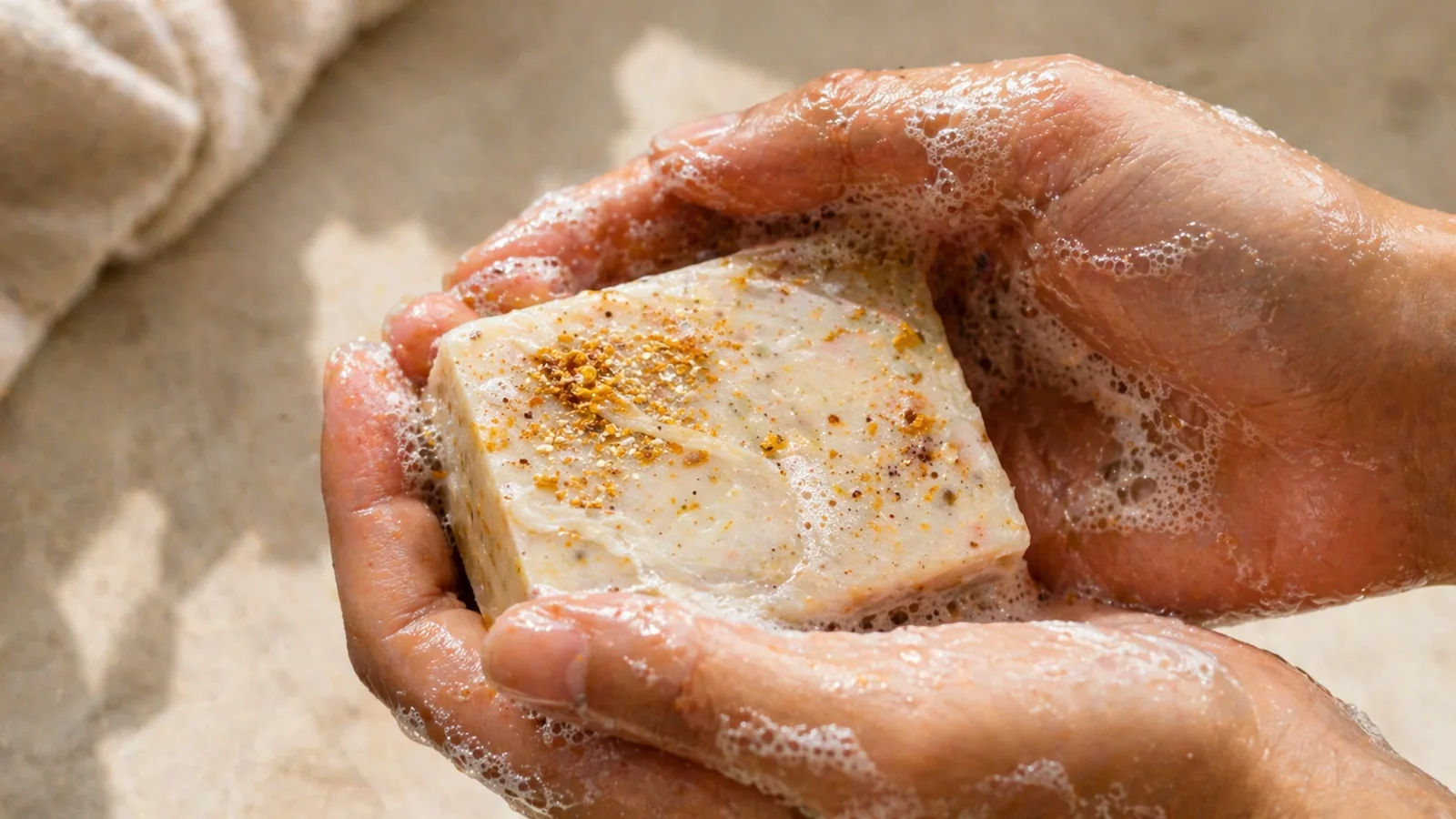
A practical guide to choosing gentle soap for sensitive skin types in India: SLS-free bases, label checks, and mild handmade options.
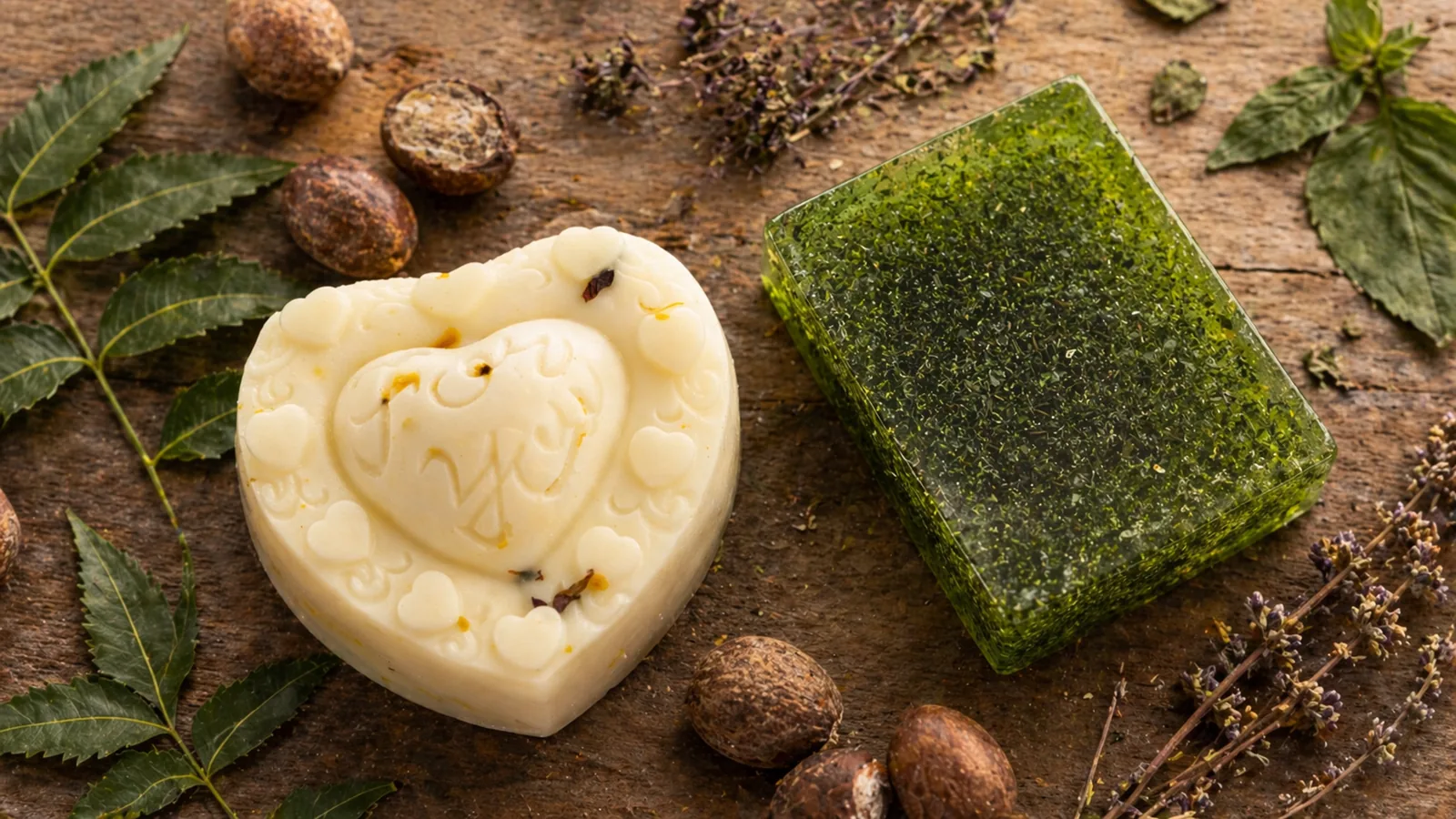
A practical guide to finding SLS-free soap in India by reading ingredient labels and comparing handmade soap bases.
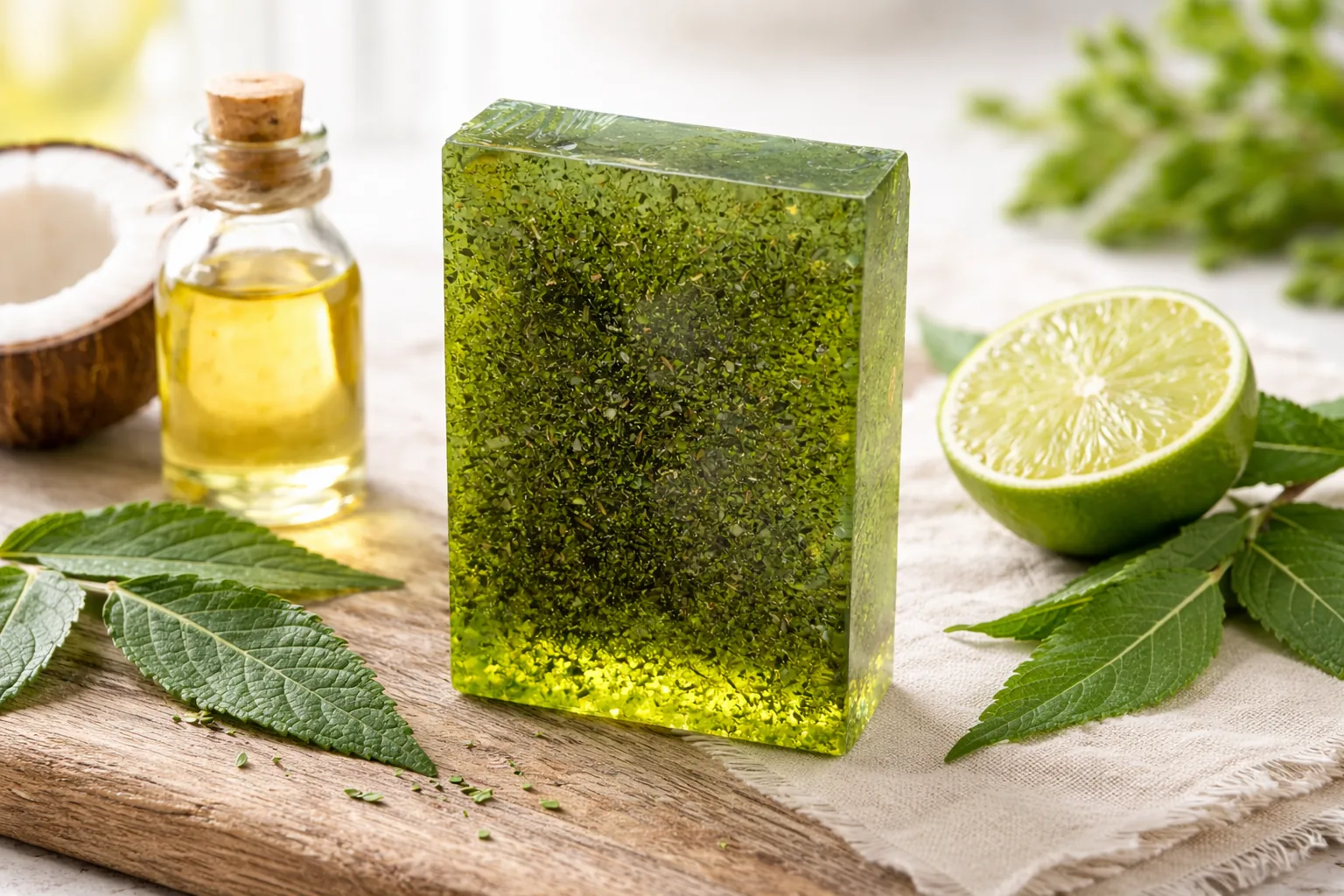
Soap is never literally chemical-free. Here is how to read the phrase, check the ingredient list, and find a simpler handmade bar.
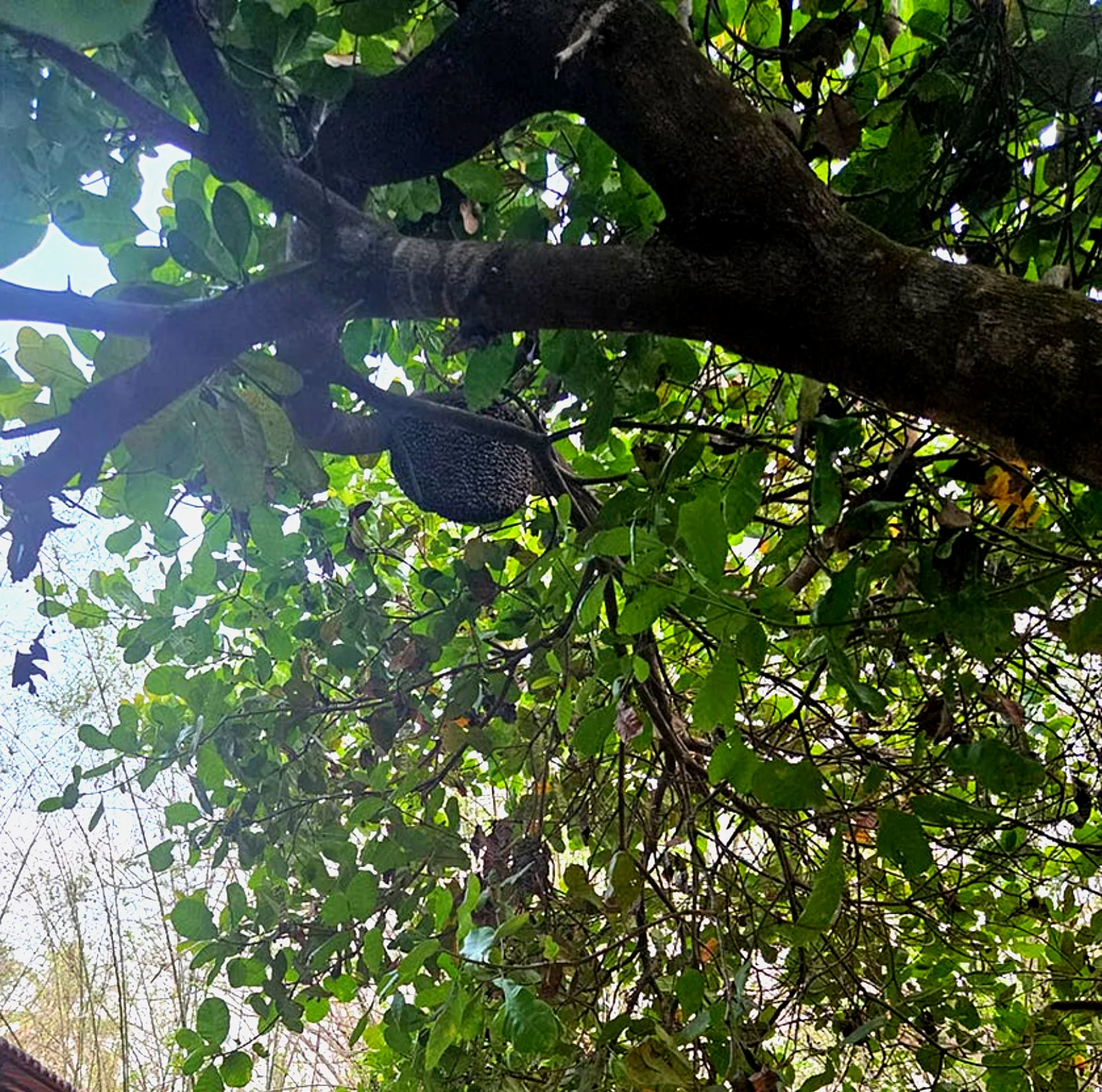
A cat fleeing a pack of dogs climbed a tree and sheltered beside a massive beehive for hours. The bees never touched her. Here's what that moment revealed about fear, collective intelligence, and how nature truly works.
A practical guide to shea butter soap: where the ingredient comes from, how the bar is made, and what its rich, creamy lather feels like.
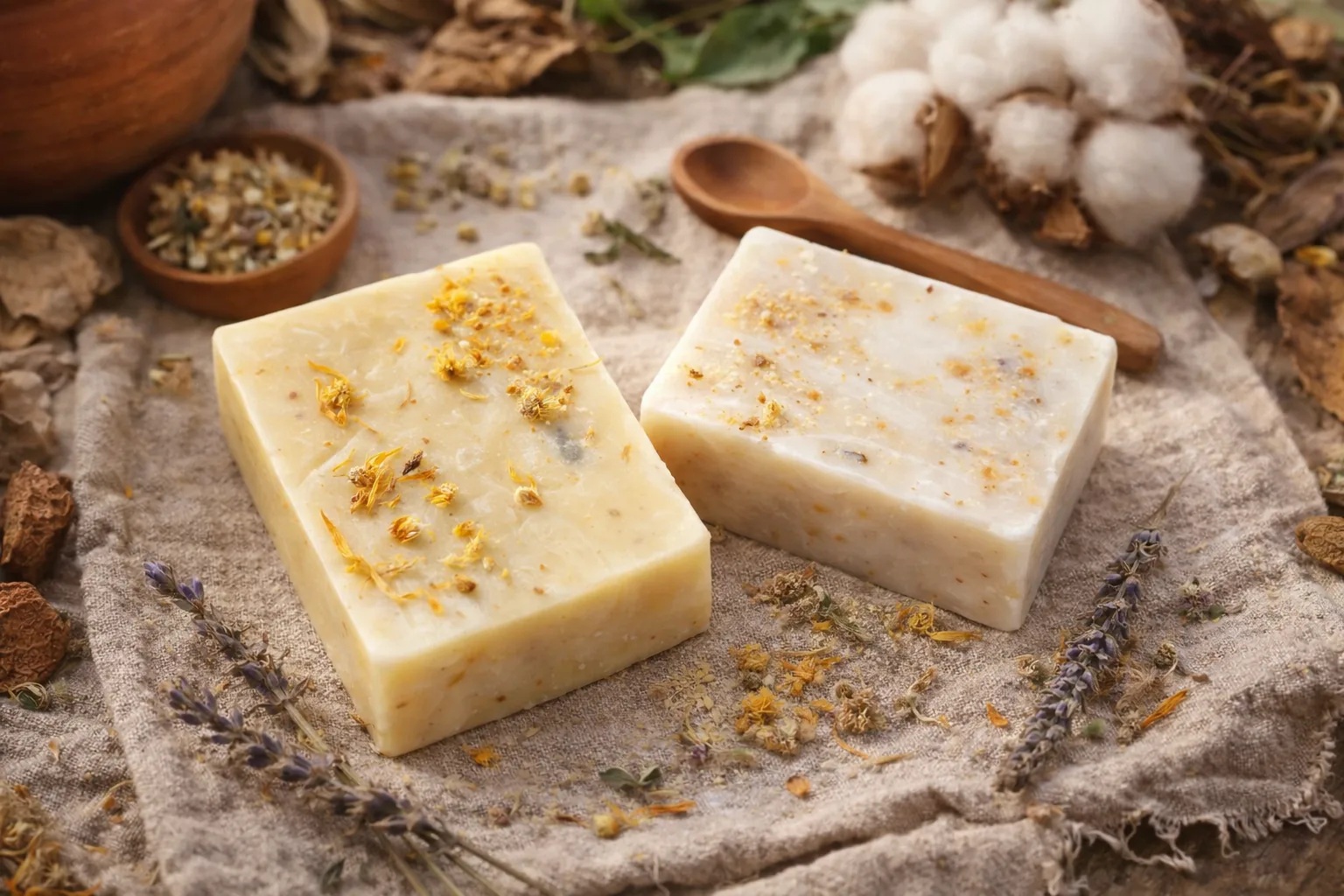
Compare shea butter and goat milk soap by ingredients, lather, richness, scent, and after-wash feel.
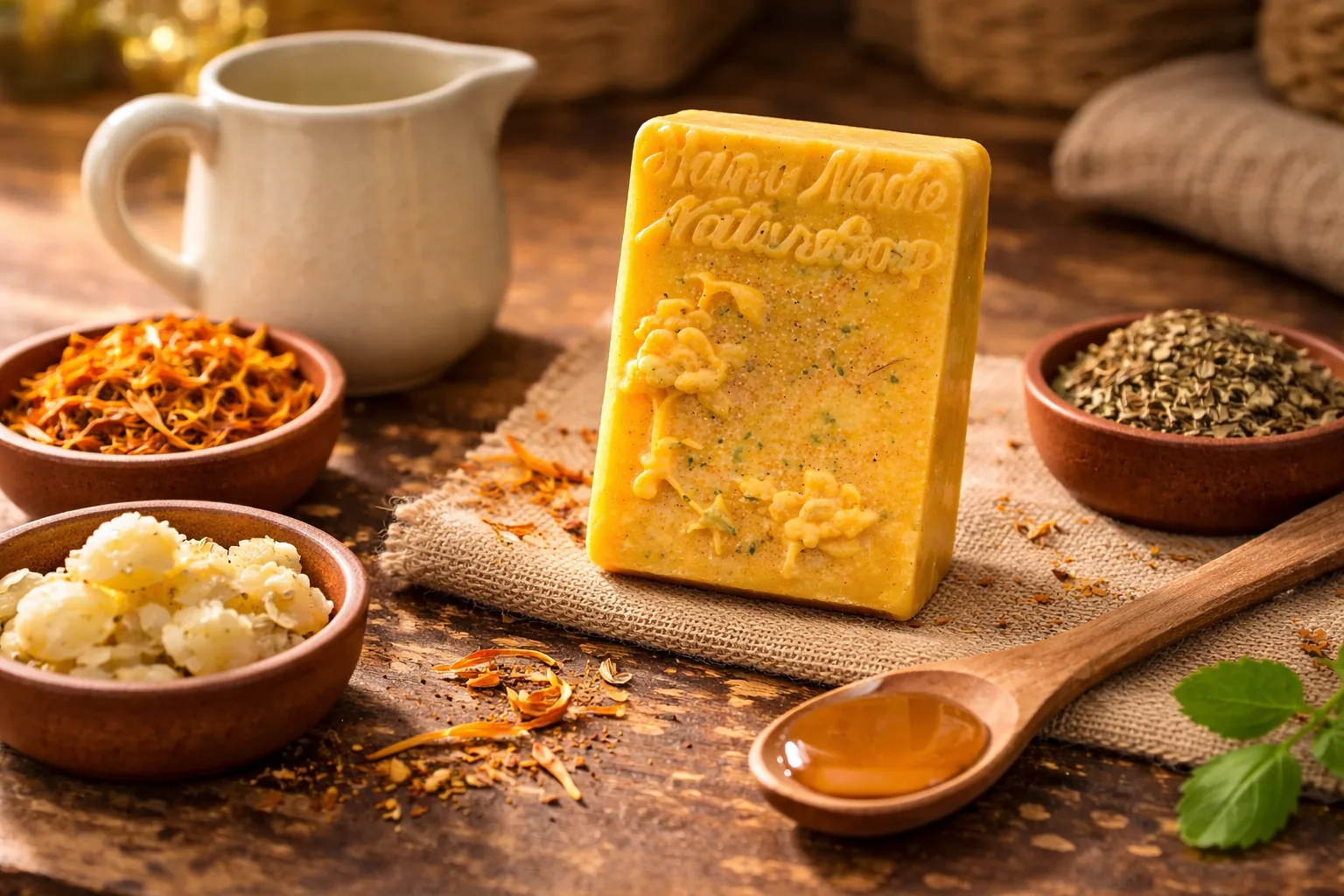
Small-batch soap is slower and harder to make than most people realise. Here is what making in small batches means for freshness and quality, and why scaling up works against what makes handmade soap different.
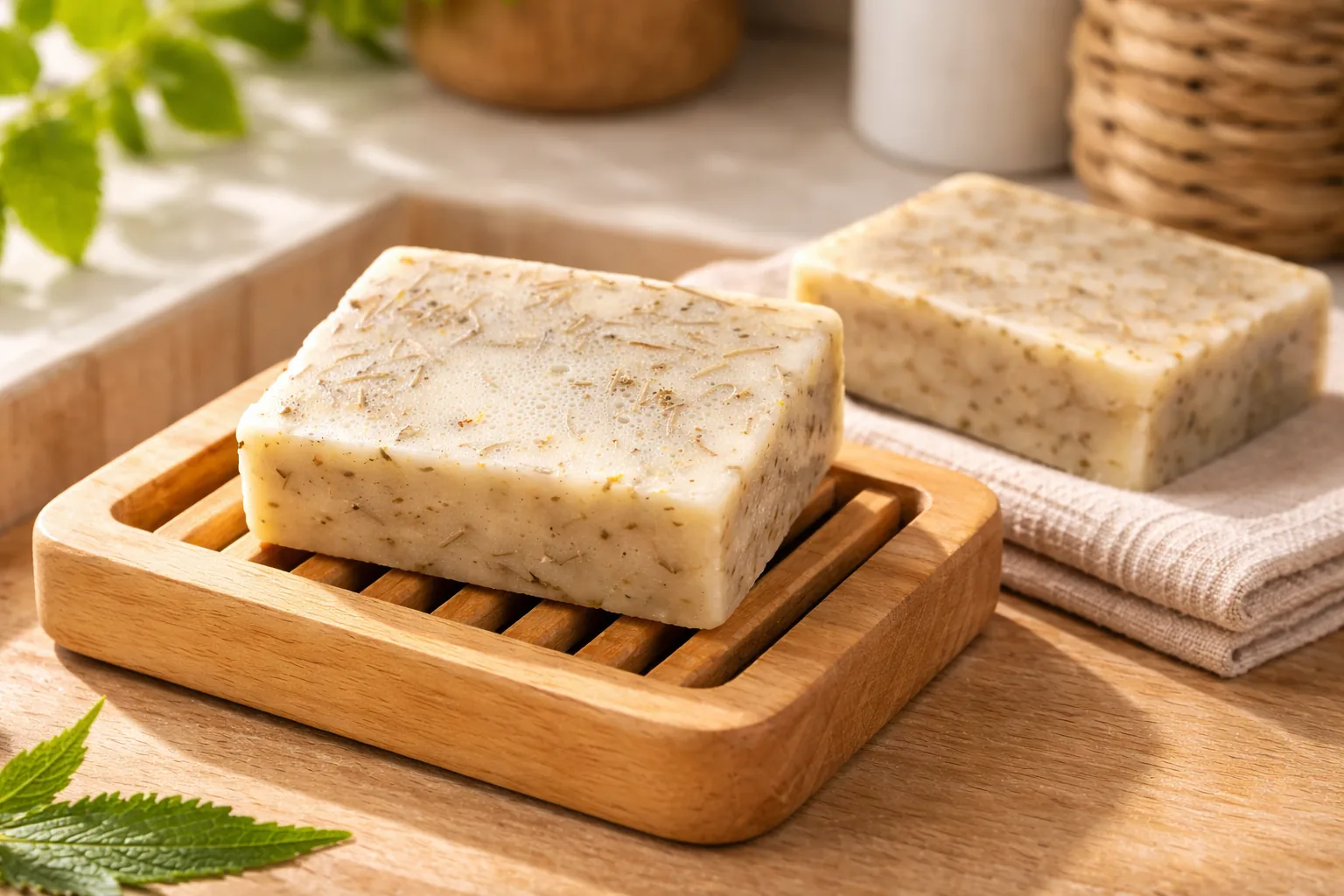
Most people expect a handmade bar to run out quickly. Most are surprised when it does not. Here is why properly made natural soap goes further than commercial bars, and how to get the most from every bar.
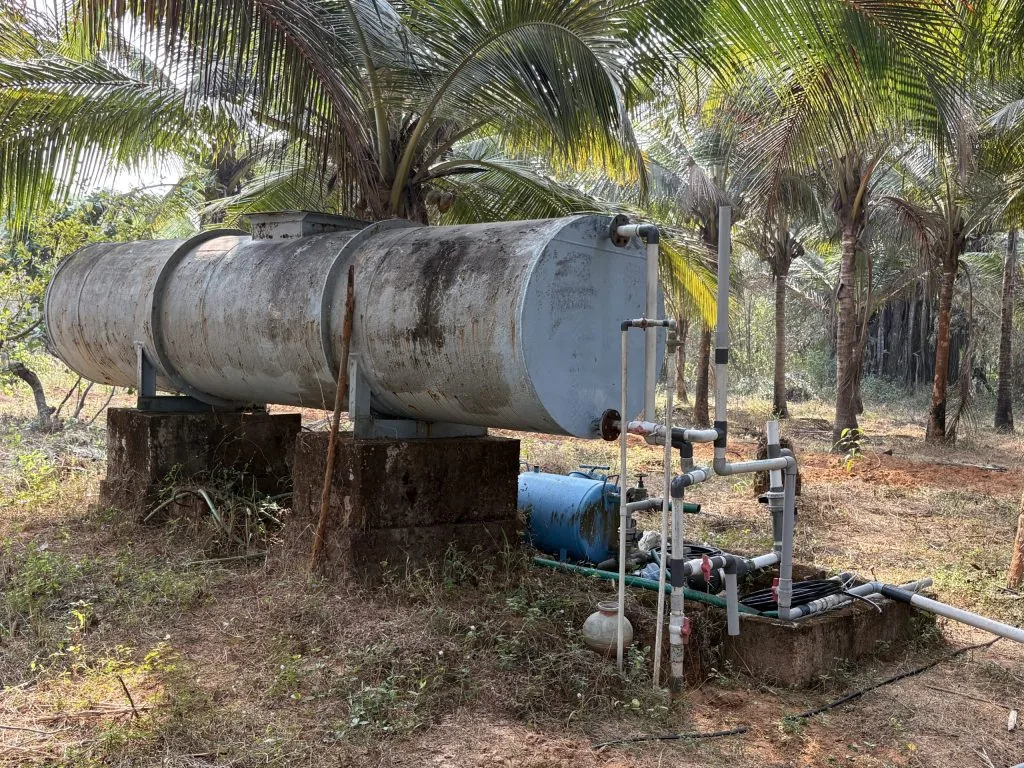
A rusted industrial chimney section repurposed as a farm water tank - and the retired engineer who raised it with a car jack and patience - reminded me how to think for myself again.
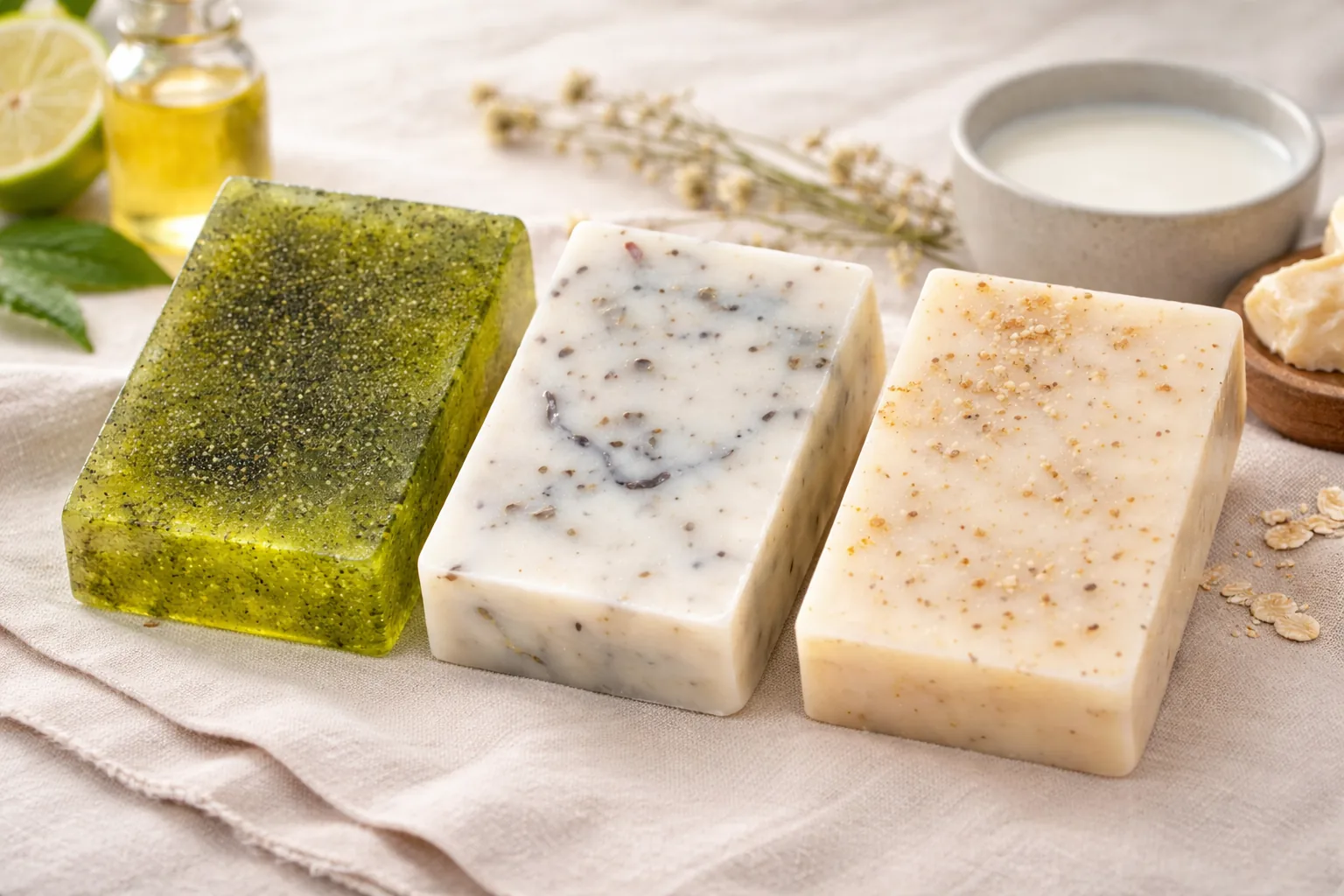
Glycerin soap base feels light; goat milk soap base feels creamy. Compare ingredients, lather, scent, and after-wash feel.
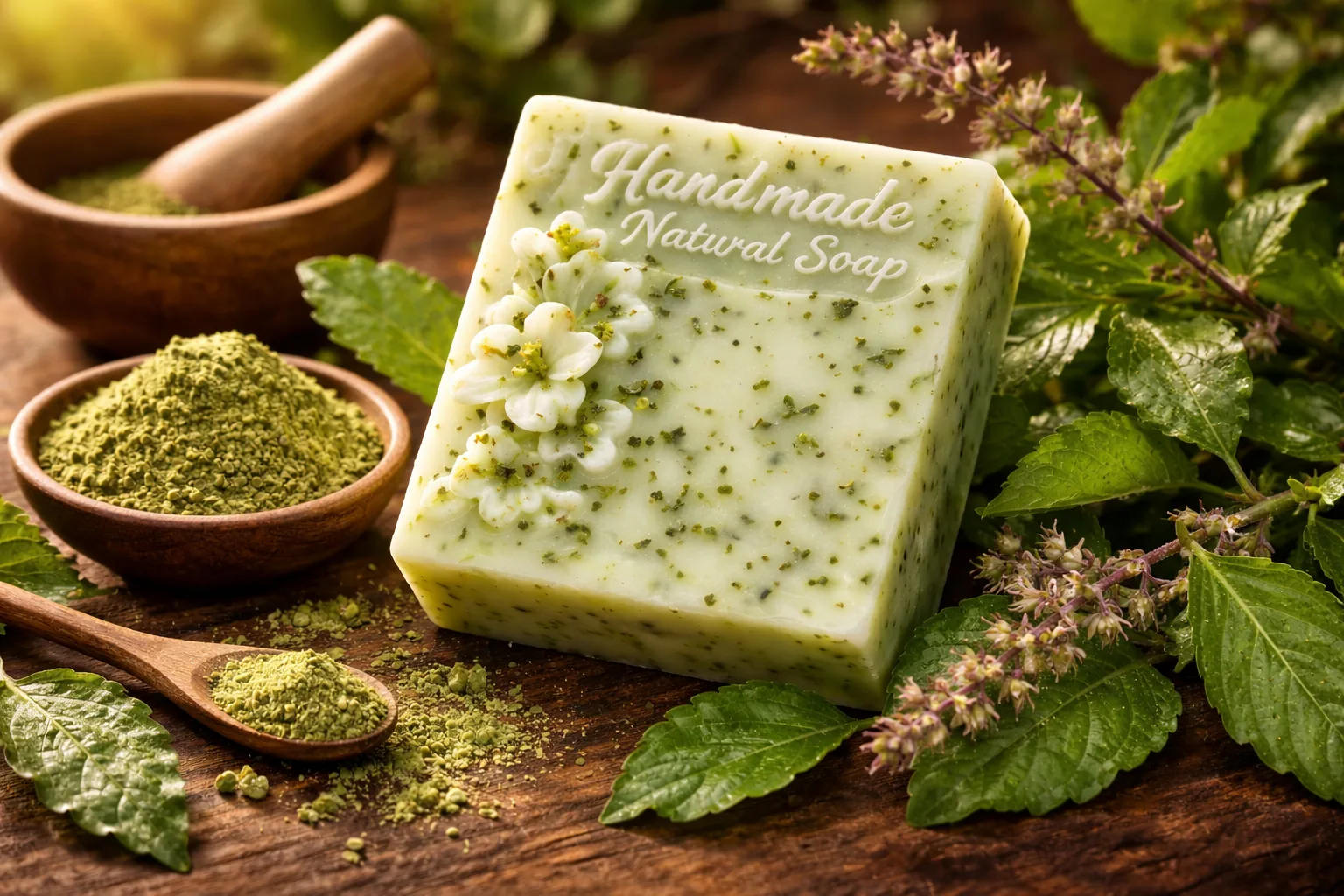
Neem and tulsi have been used on skin across India for centuries. Here is what each ingredient brings to a soap bar, why the combination works, and what to look for in an honest neem tulsi soap.

In September 2023 we packed up our apartment and moved to a small farm in South Goa. This is the story of why - and what we found when we got here.
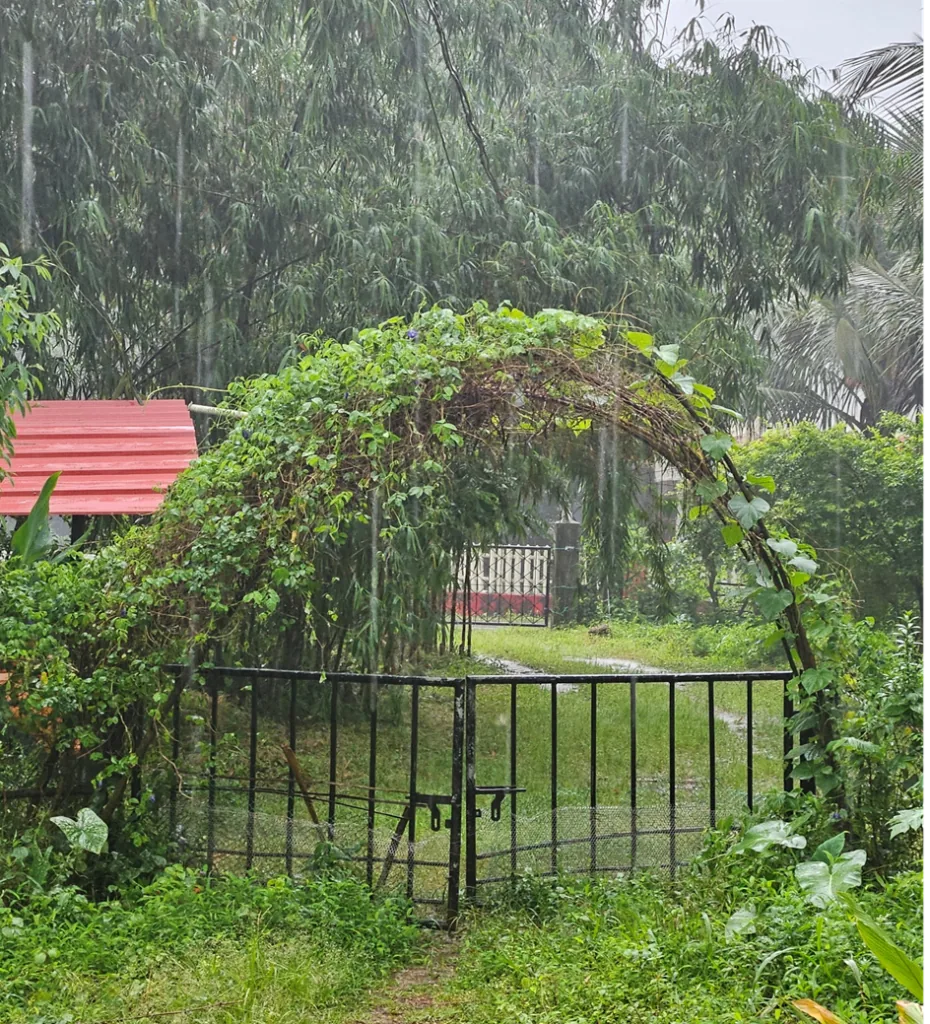
After nearly six months of nonstop Western Ghats monsoon, here are five permaculture-based tips to protect your garden from heavy rain and build lasting soil resilience.

A caterpillar munching through a lemon bush taught me the most important lessons about focus, consistency, and authentic voice that every writer needs to hear.
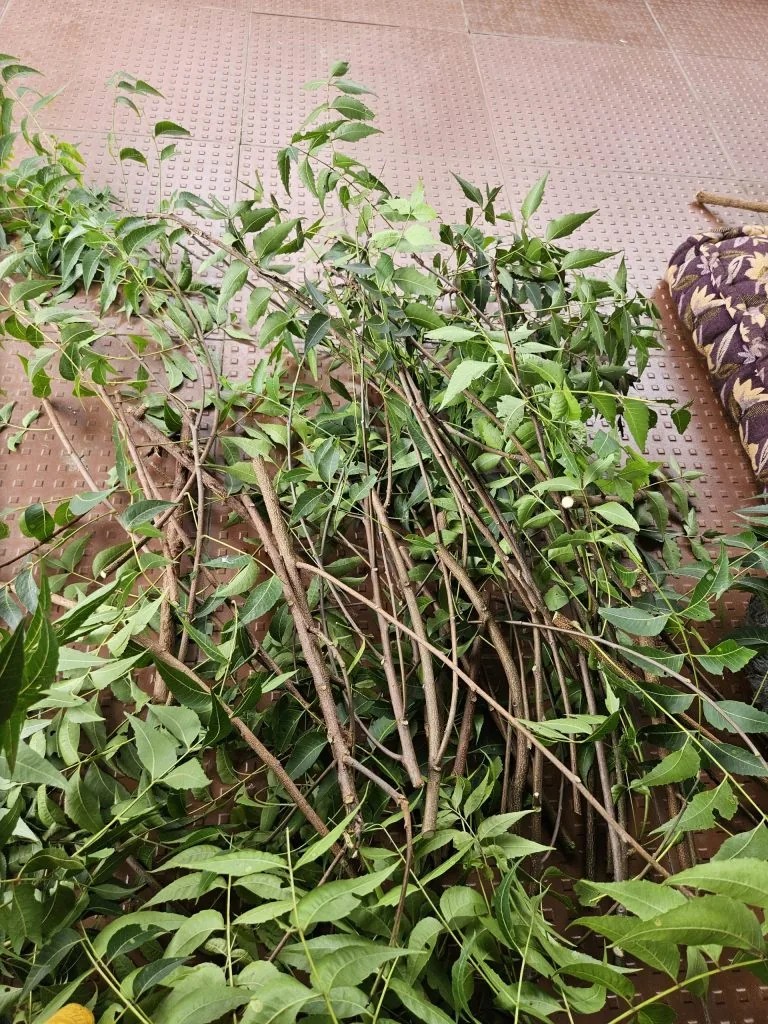
When a monsoon-bent neem branch needed trimming, it sparked a half-day DIY session that stocked our bathroom for three months with homemade soap and natural toothbrushes.
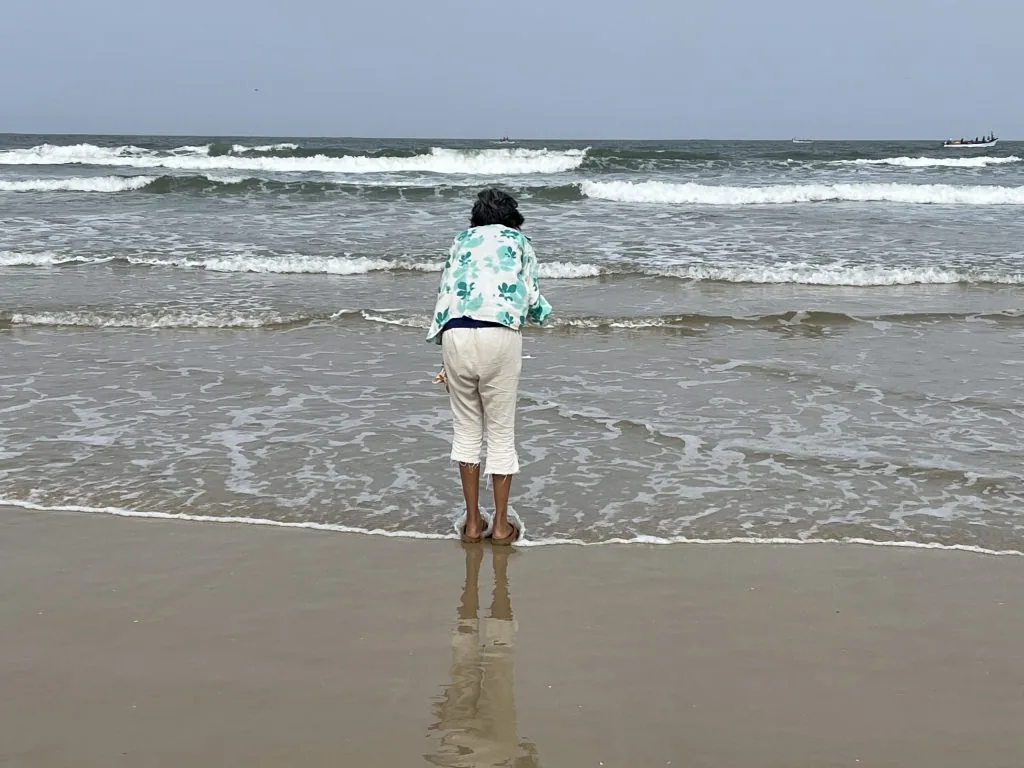
Standing barefoot at the ocean's edge, watching waves, doing nothing productive - why the most revolutionary act for mental health is choosing presence over productivity.
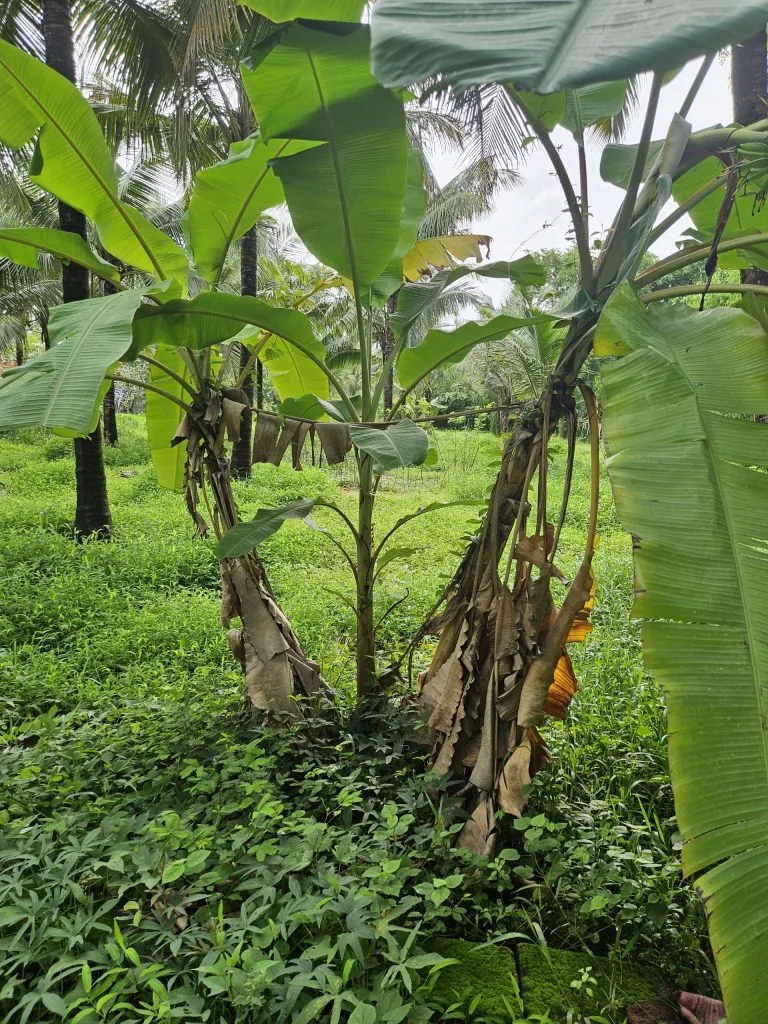
From cement-debris wastelands to thriving mini forests - how daily earth element practices and morning soil contact healed our nervous systems and transformed the land.
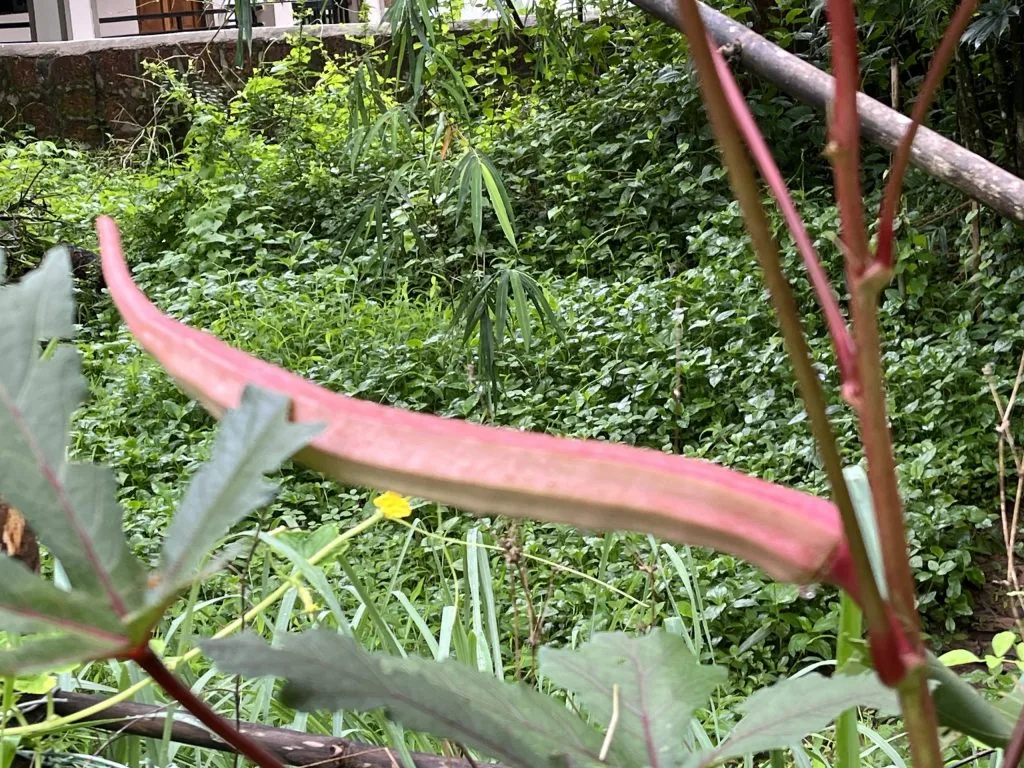
A striking red okra grown through weeks of struggle and rain became a teacher in mindful consumption, patience, and the deep satisfaction of growing your own food.
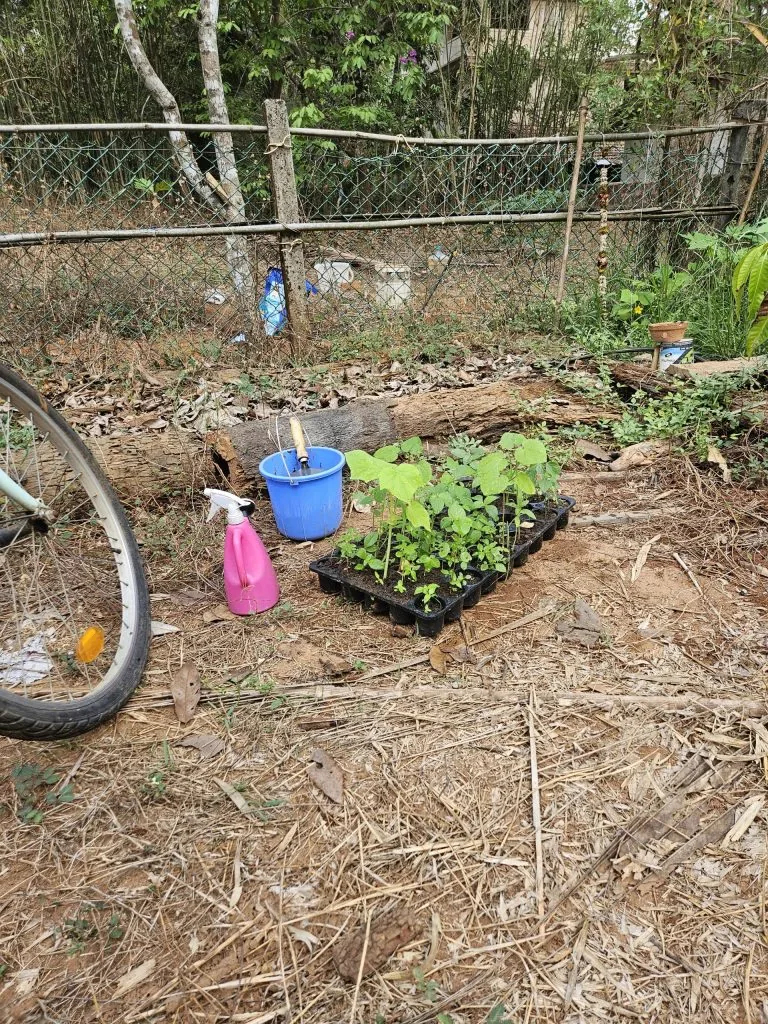
After a day in the soil, a simple cup of tea becomes a bridge between physical work and inner restoration - exploring how rest is an essential part of regenerative living.
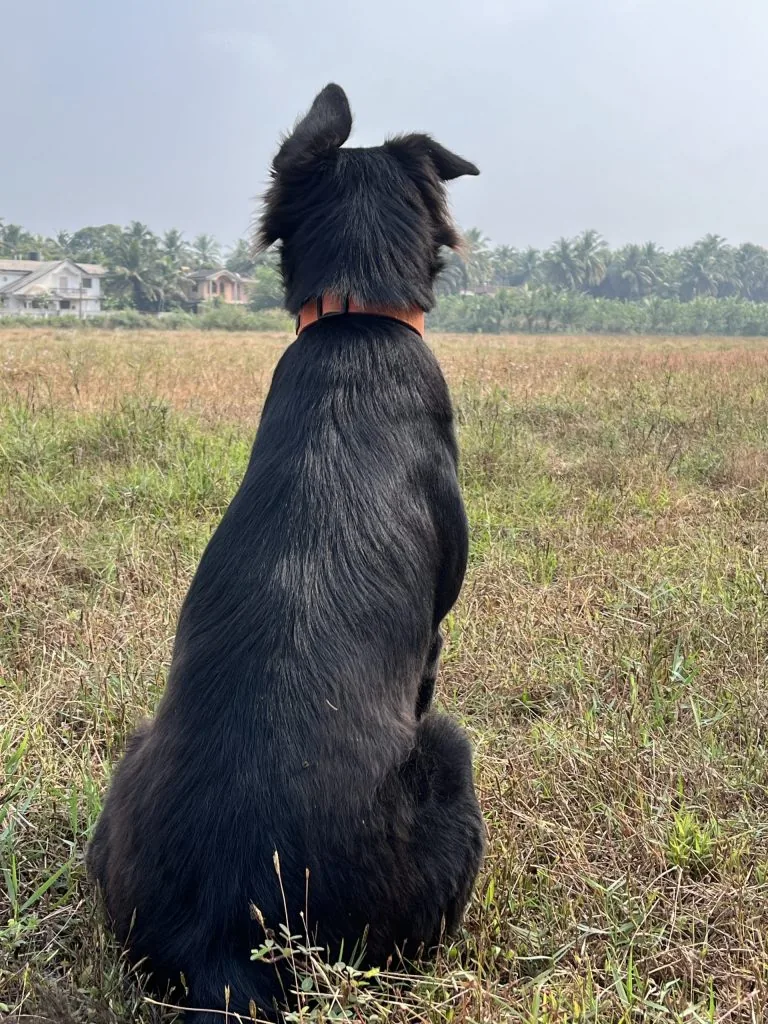
Resilience isn't about being strong all the time - it's about returning to balance. Simple rituals and slow living practices that help you rebuild inner strength every day.

A moving story of Bari, a gentle stray dog who found his way to our farm and left behind a deeper understanding of healing, grief, and compassion.
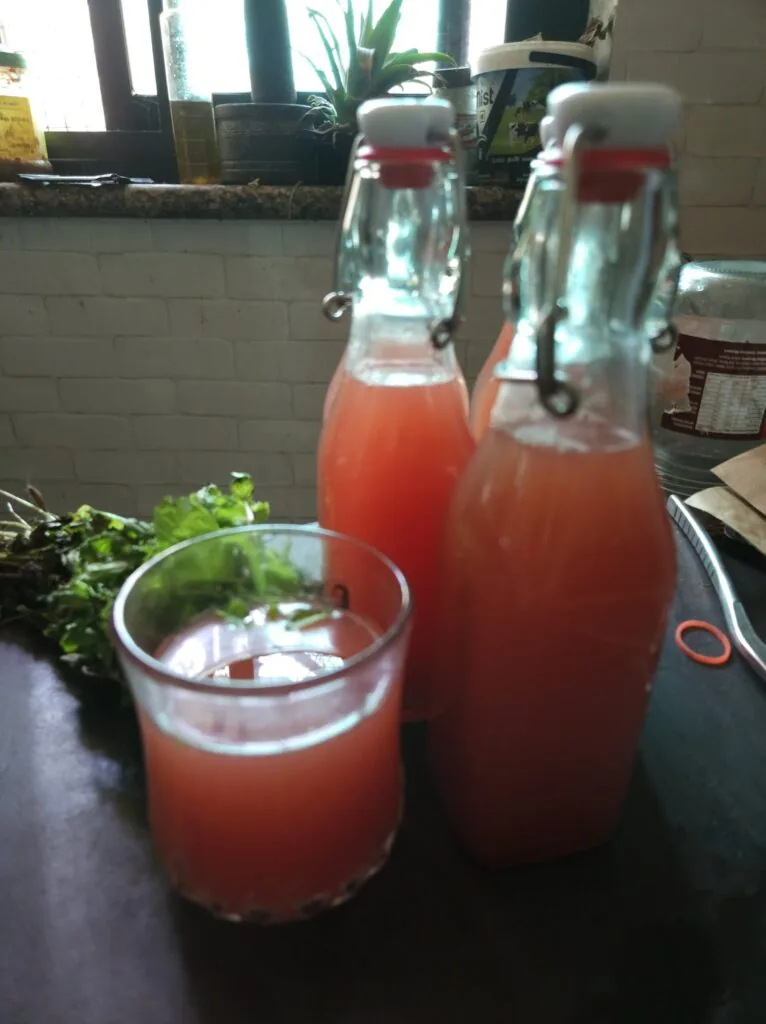
From kombucha to fresh kokum juice to watermelon-mint mocktails - how we beat the summer heat with simple, homemade, gut-friendly drinks using farm ingredients.
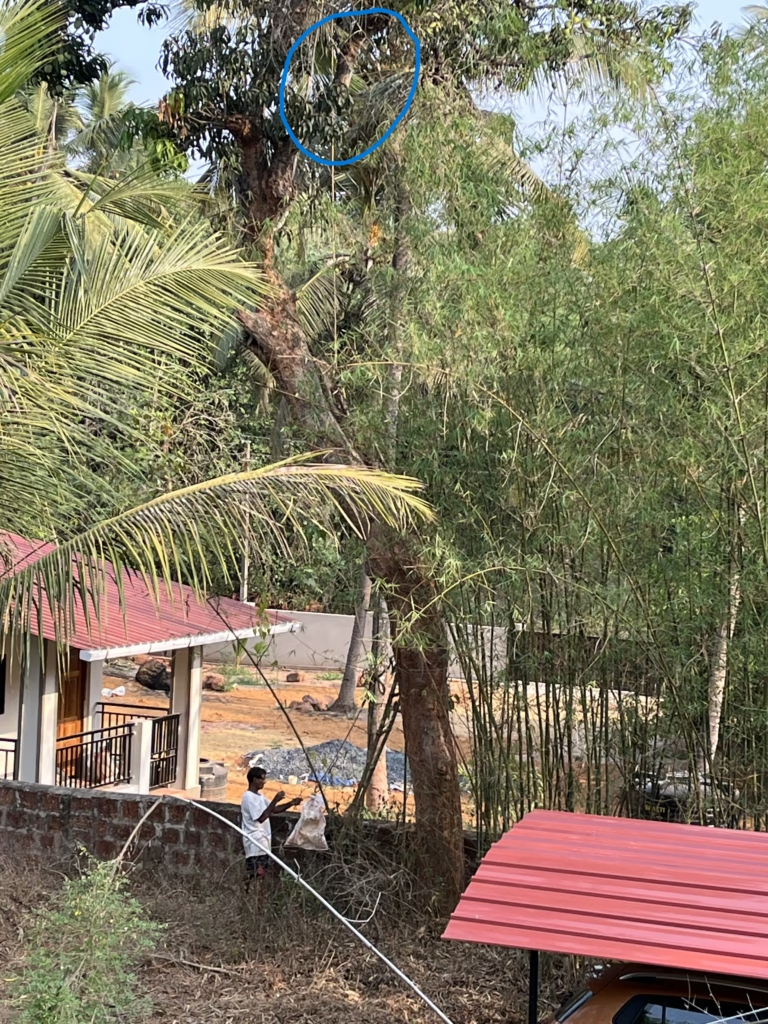
Two villagers from rural Karnataka climbed a 50-foot mango tree with rope and bamboo, harvesting what I'd given up on - a powerful lesson in confidence, resilience, and action over hesitation.
A towering mango tree on the farm proved my city-bred logic wrong - ripe mangoes fell softly onto a bed of bamboo leaves, teaching me to trust the process and let go.
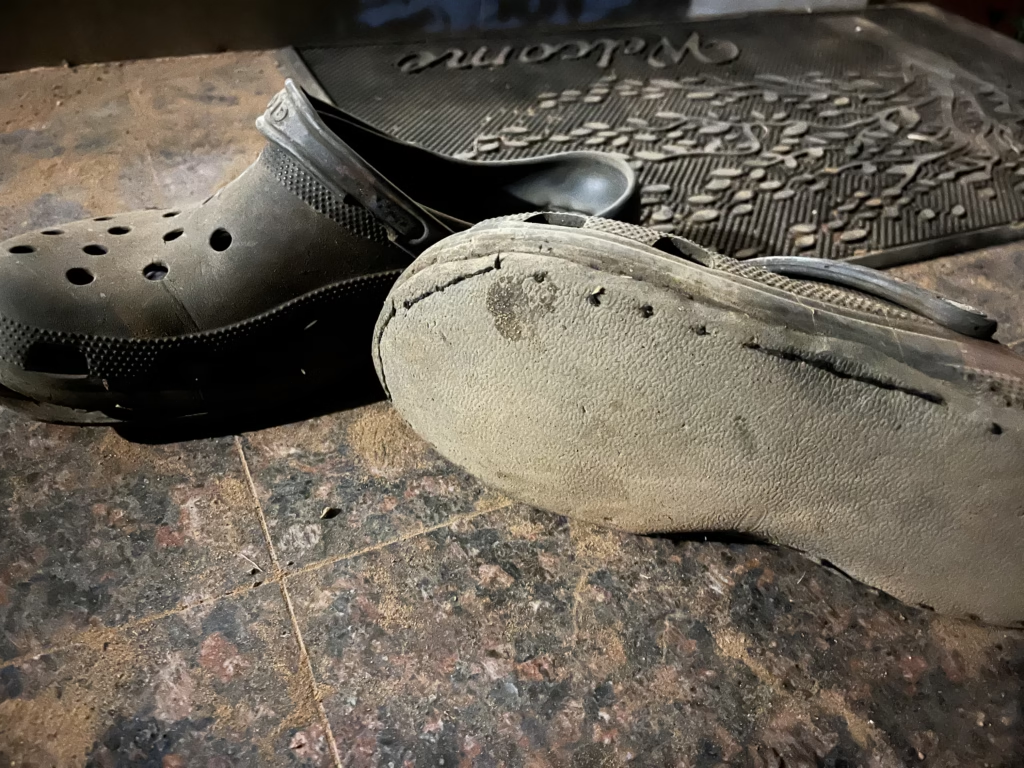
A broken pair of slippers, a village cobbler, and the quiet revelation that city-made things don't survive country rhythms - or the soul that refuses to give up.
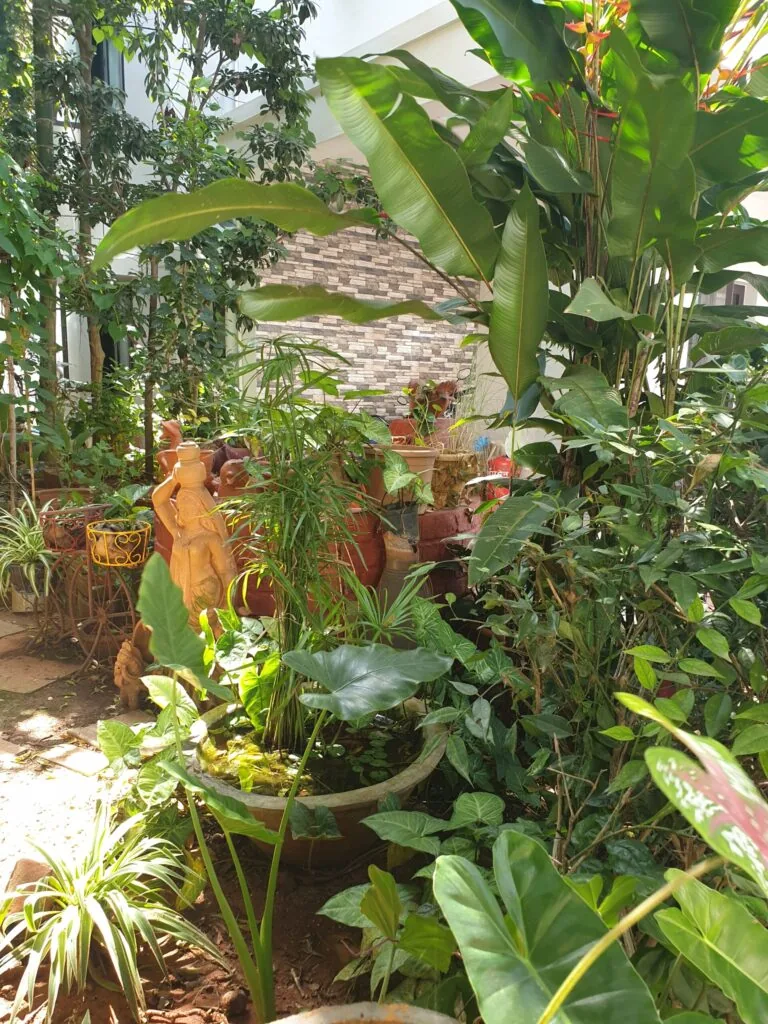
Ten years of composting taught us science, systems thinking, and sustainability - and quietly rewired how our whole family thinks about waste, soil, and daily life.
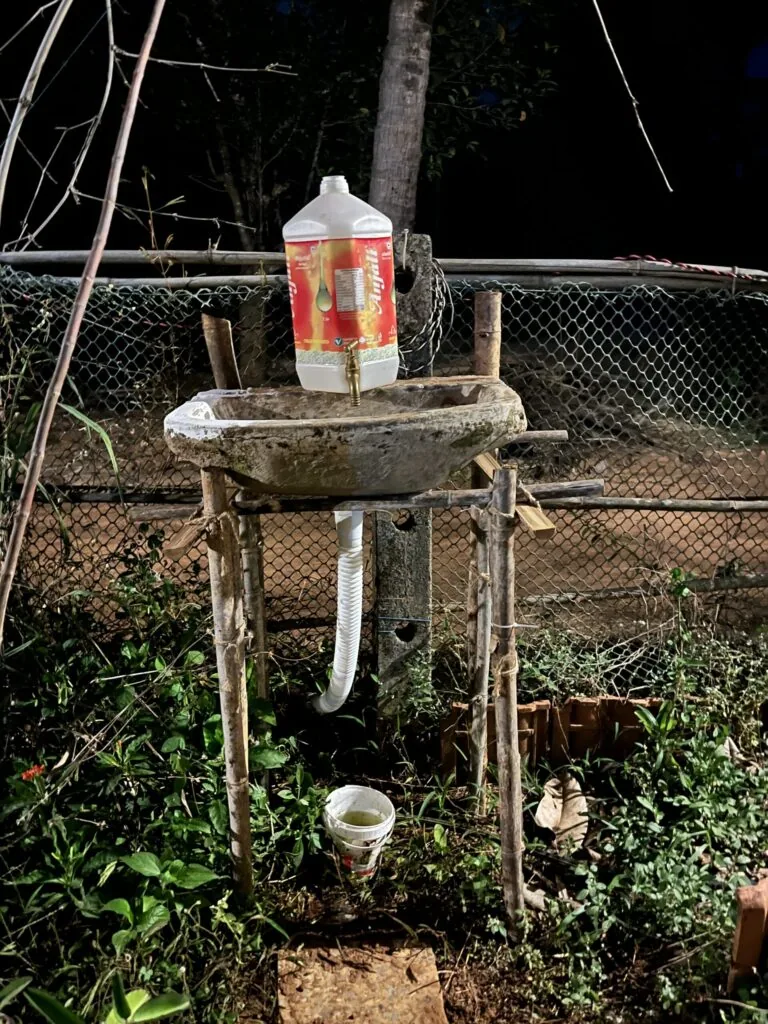
How a cracked old cement sink found in a farm storeroom became a bamboo wash station with a gravity-fed tap - and a reminder that everything deserves a second chance.
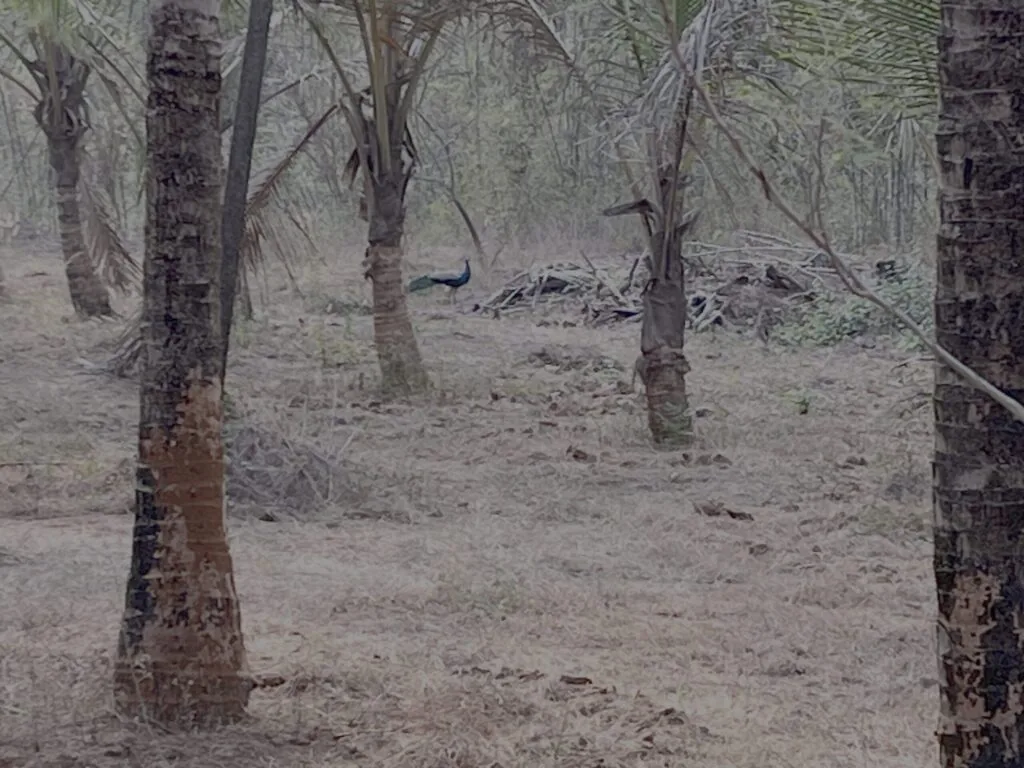
How stepping away from city hustle and embracing a slower, nature-centred life brought us more joy, fulfilment, and peace than we ever imagined.

How rediscovering play on the farm - from tree swings to barefoot dancing - unlocks creativity, mental well-being, and a more joyful sustainable life.